




Ask the AI Tutor
Need help with African Flags 1? Ask our AI Tutor!
AI Tutor - Lucy
Connecting with Tutor...
Please wait while we establish connection
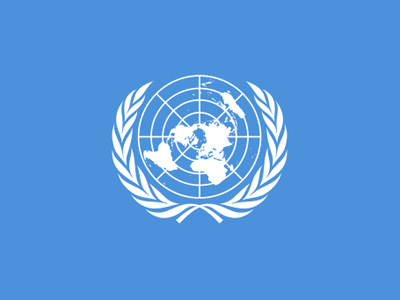
The flag of the United Nations inspired which African nation's flag? Find out in this quiz.
African Flags 1
Learn to recognise African flags by colours, symbols, and patterns, and spot how design choices can reflect geography, history, unity, and national identity.
1 .
Which landlocked country, bordered to the north by Libya, and whose two official languages are Arabic and French, is represented by this flag? Its capital, and largest city is N'Djamena.

Mali
Angola
Chad
Gabon
A predominantly Muslim country, Chad gained its independence from France in 1960. Its flag is virtually identical to the much older flag of Romania
2 .
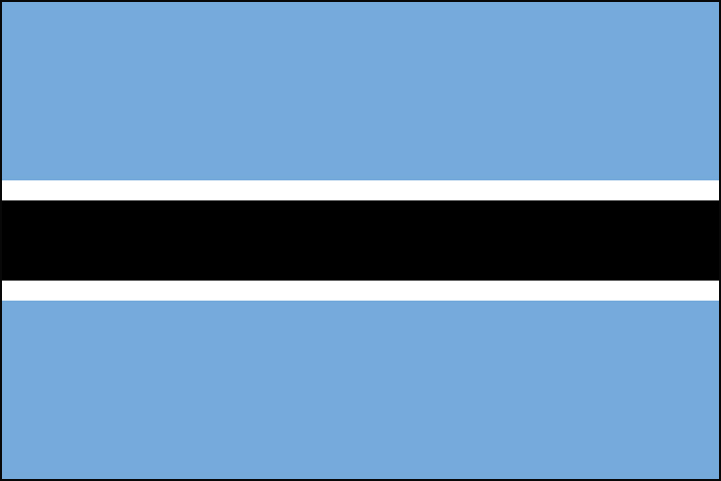
Which country, known as Bechuanaland before it became independent of Britain in 1966, is represented by this flag? 70% of the land in this country is covered by the Kalahari Desert and its capital city is Gaborone.
Namibia
Zimbabwe
Gambia
Botswana
The Botswanan flag was designed as a contrast to that of its neighbour, South Africa, as South Africa was still under apartheid (a separation of white and black citizens) at the time. The black stripe with a white border on the flag of Botswana represents the harmony between the blacks and whites who live there
3 .
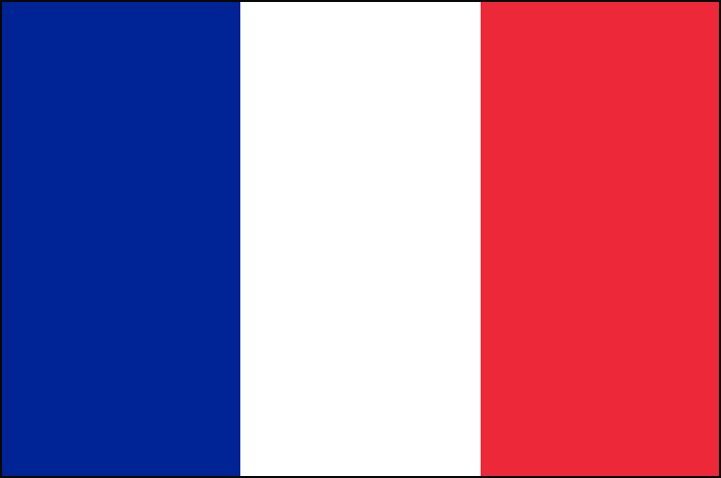
Mayotte is represented by this flag. It is not a sovereign country, but is instead a department and region of which European nation?
Portugal
The Netherlands
Belgium
France
Mayotte is geographically a part of the Comoro Islands in the Indian Ocean, but following a referendum in 1975, the people of Mayotte chose to remain a part of France rather than to join the newly formed nation of Comoros
4 .
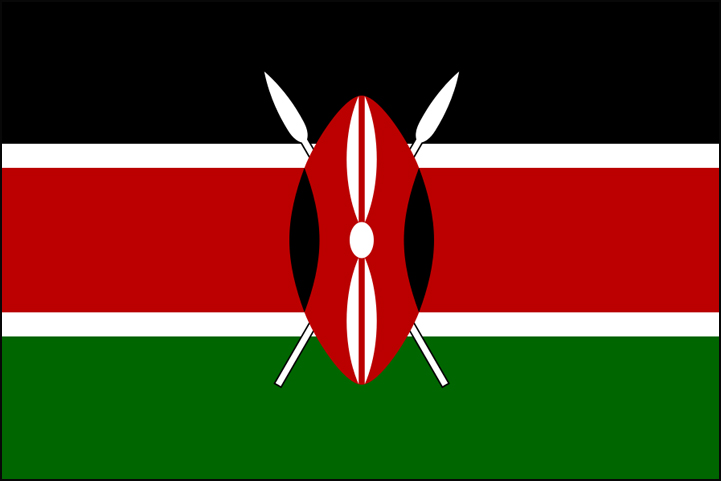
This is the flag of which country? It was adopted after the nation gained independence from Britain in 1963. The shield in the centre of the flag belongs the Massai ethnic group, a sizable portion of this nation's population.
Kenya
Burundi
Malawi
Rwanda
Behind the shield are two spears which symbolise the defence of peace and honesty. The three main colours on the flag - black, red and green - represent the people of Kenya, the blood shed in the fight for independence and the Kenyan landscape respectively
5 .
This flag belongs to which country, whose capital and largest city, is Maputo, and whose official language is Portuguese?
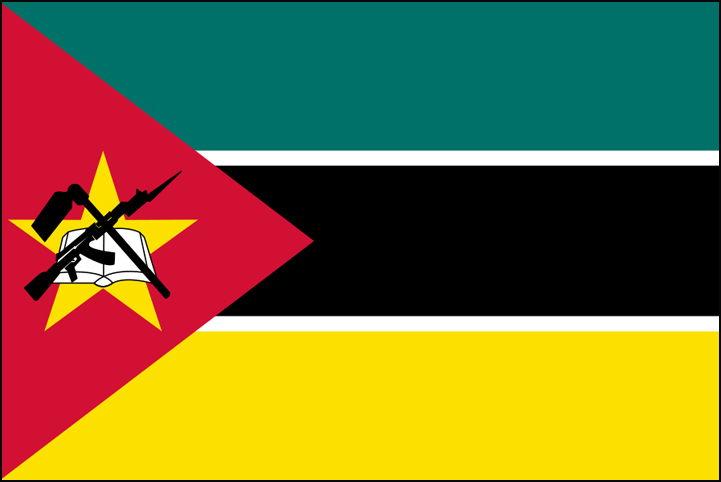
Mali
Mozambique
Mauritius
Madagascar
Mozambique, on the south east coast of Africa, did not gain its independence from Portugal until 1975. Portuguese is the main language, with 53% of the population having it as their favoured tongue, but there are 11 other languages spoken by the people of Mozambique, such as Tsonga, Ndau and Swahili
6 .
The flag of which country, whose capital is Mogadishu, is a five pointed star on a light blue background? Today, the blue is said to represent the sky and the Indian Ocean, but it was originally inspired by the flag of the United Nations.
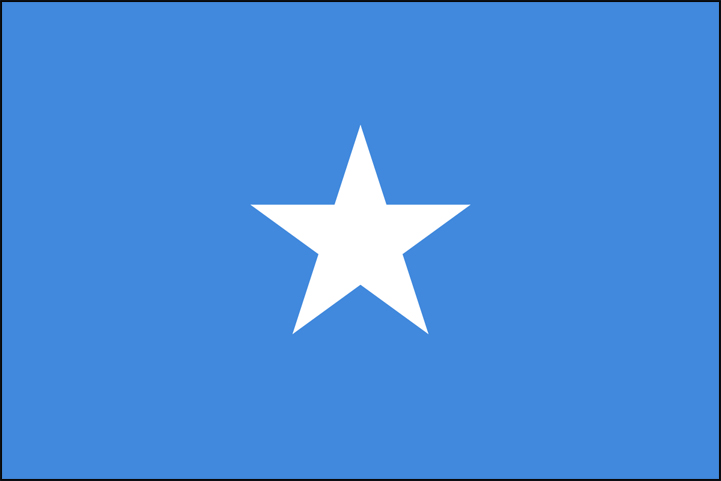
Sudan
Somalia
Tanzania
Madagascar
Somalia was formed in 1960 by a unification of British Somaliland and Italian Somaliland. The U.N. had been instrumental in Somalia's move towards independence following World War II, hence its influence on the Somali national flag
7 .
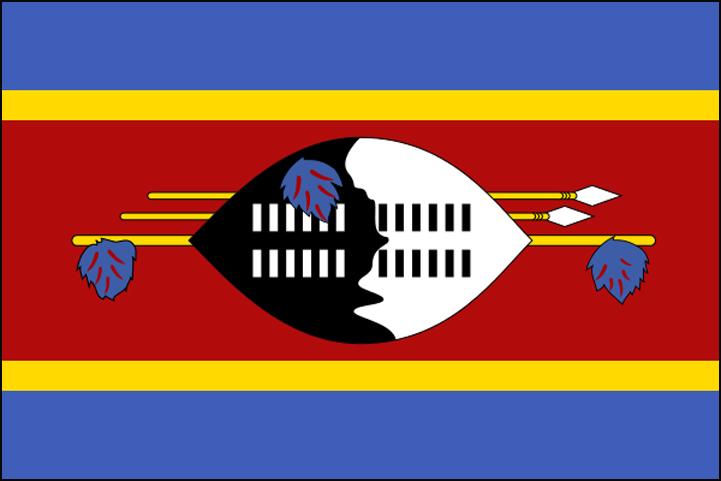
The country which is represented by this flag takes its name from Mswati II, the 19th-century king who united the nation. The present monarch is King Mswati III, but of which land is he the ruler?
Senegal
Mauritania
Swaziland
Mauritius
The word Swazi, the name of the inhabitants of Swaziland, is a corruption of the name Mzwati.
A black and white shield dominates the flag of Swaziland. This symbolises the harmony between black and white citizens who unite to protect the country
A black and white shield dominates the flag of Swaziland. This symbolises the harmony between black and white citizens who unite to protect the country
8 .
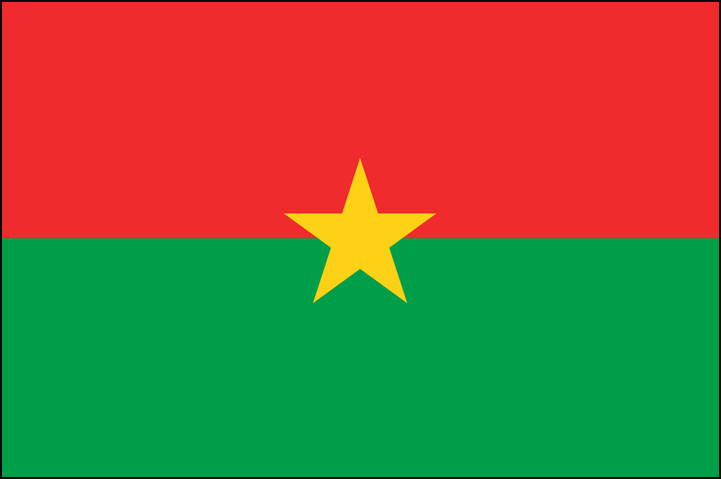
This is the flag of which nation, whose name in English means "Land of Incorruptible People"? Prior to 1984 the country was called Upper Volta.
Zimbabwe
Sudan
Burkina Faso
Zambia
Upper Volta, so named because it was on the upper part of the Volta River in Northern Africa, was a French colony which gained independence in 1960. In 1984 the country's name was changed, by the then President Sankara, to Burkina Faso
9 .
This flag belongs to which small African country, which gained its independence from neighbouring Ethiopia in 1993? Its capital city is Asmara
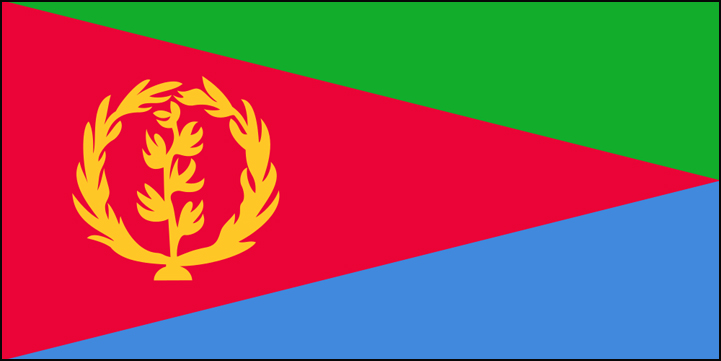
Eritrea
Uganda
South Sudan
Rwanda
Eritrea had been governed by the Italians prior to World War II. It was taken by the British in 1941, before becoming independent in 1951. It was annexed by Ethiopia in 1962, but following a 30 year war, Eritrea regained its independence in 1993
10 .
This flag belongs to the most populous country in Africa, but which country is it?
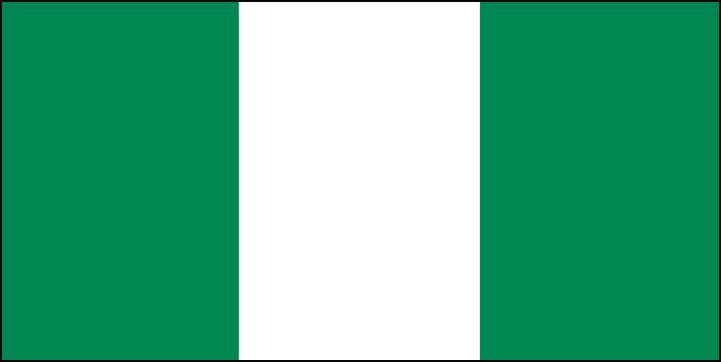
Ethiopia
South Africa
Egypt
Nigeria
Nigeria has a population of over 200 million. That's roughly one seventh of all Africans!



**Unlimited Quizzes Await You! 🚀**
Hey there, quiz champ! 🌟 You've already tackled today's free questions.
Ready for more?
Ready for more?
🔓 Unlock UNLIMITED Quizzes and challenge yourself every day. But that's
not all...
not all...
🔥 As a Subscriber you can join our thrilling "Daily Streak" against other
quizzers. Try to win a coveted spot on our Hall of Fame Page.
quizzers. Try to win a coveted spot on our Hall of Fame Page.
Don't miss out! Join us now and keep the fun rolling. 🎉
**Unlimited Quizzes Await You! 🚀**
Hey there, quiz champ! 🌟 You've already tackled today's free questions. Ready for more?
🔓 Unlock UNLIMITED Quizzes and challenge yourself every day. But that's not all...
🔥 As a Subscriber you can join our thrilling "Daily Streak" against other quizzers. Try to win a coveted spot on our Hall of Fame Page.
Don't miss out! Join us now and keep the fun rolling. 🎉




© Copyright 2016-2026 - Education Quizzes
Work Innovate Ltd - Design | Development |
Marketing
