




Ask the AI Tutor
Need help with North and South American Flags 4? Ask our AI Tutor!
AI Tutor - Lucy
Connecting with Tutor...
Please wait while we establish connection
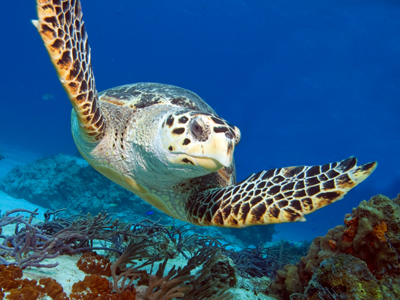
A turtle enjoying a swim in the biological marine reserve of the Galapagos Islands - a province of which country?
North and South American Flags 4
Explore more flags from North and South America and sharpen your eye for colours, shapes and symbols as you compare national designs.
1 .
The national park and biological marine reserve of the Galapagos Islands is a province of the country represented by this flag. Which country is it?
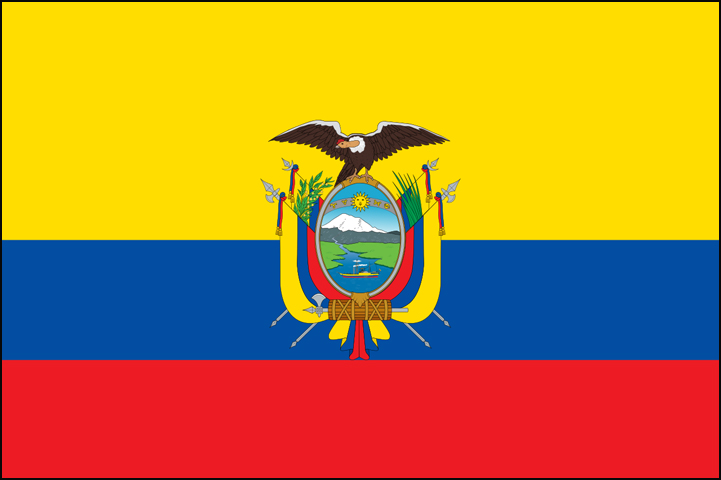
Ecuador
Guatemala
Peru
Venezuela
2 .
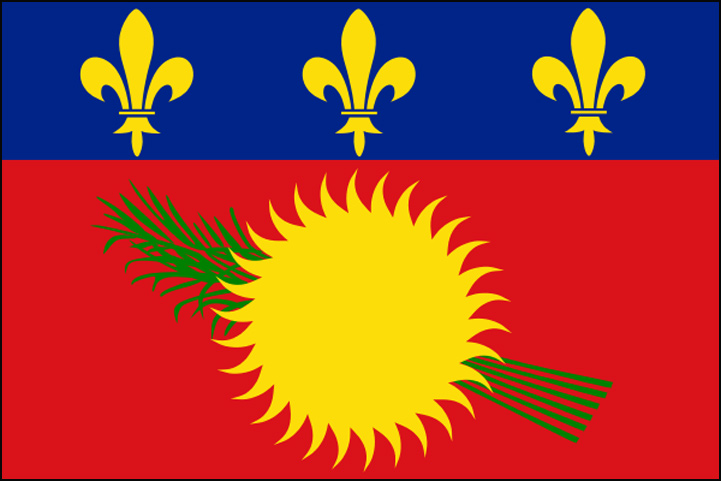
This is the flag of Guadeloupe, a group of islands in the Caribbean Sea which are an overseas department of which European country?
Netherlands
Spain
Great Britain
France
Only the French Tricolour is officially used in Guadeloupe, but this unofficial flag is often flown. It bears a yellow sun, a green sugar cane and a row of three French 'fleurs-de-lis'
3 .
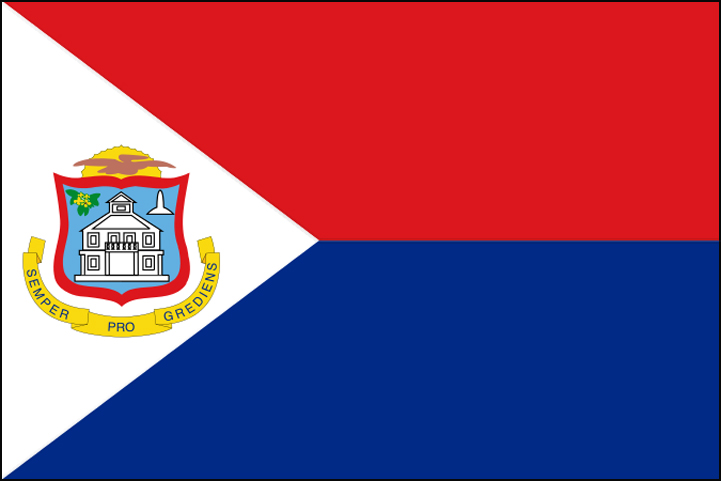
This flag belongs to a country in the Kingdom of the Netherlands, found in the Caribbean Sea and with the capital city of Philipsburg. What is the country's name?
Caribbean Netherlands
Sint Maarten
St Kitts and Nevis
Falkland Islands
Prior to 2010, Sint Maarten was a part of the Netherlands Antilles. This was dissolved that year and Sint Maarten, along with Aruba and Curaçao, became constituent countries of the Kingdom of the Netherlands
4 .
This is the flag of which island country? It has been ruled 7 times by both the French and the British but it gained its independence in 1979.
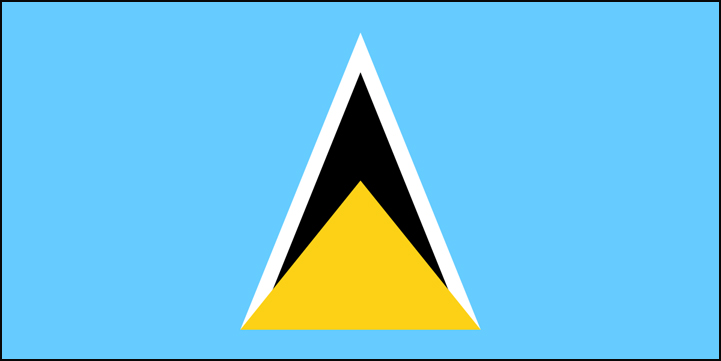
Saint Lucia
Jamaica
Puerto Rico
Barbados
Because of the amount of times Saint Lucia switched From British to French control, and then back again, it was nicknamed the "Helen of the West Indies". In the myths of the ancient Greeks, Helen was a woman over whom the Greeks and Trojans fought a long and bloody war
5 .
This is the flag of Brazil. It contains one star for each of its member states and its federal district. That's how many stars in total?
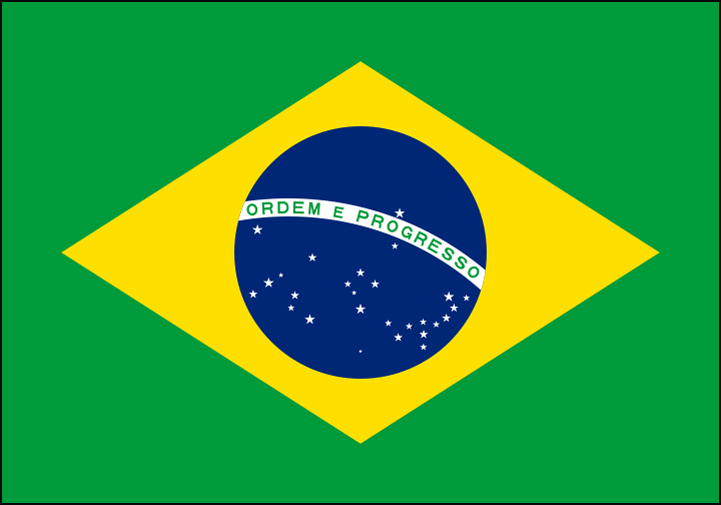
27 stars
25 stars
23 stars
21 stars
As well as representing the constituent states of Brazil, the stars are also arranged into constellations, which are in the positions they held on November 15th 1889 - the night Brazil became a republic
6 .
Which country, named after an Italian explorer, is represented by this flag?
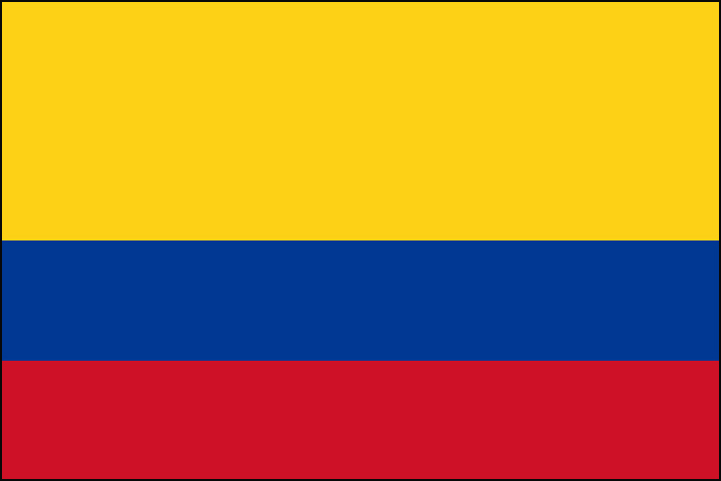
Cayman Islands
Martinique
Colombia
Dominican Republic
The explorer was, of course, Christopher Columbus who is credited with discovering the Americas. The term 'Colombia' was originally coined to describe the whole of the Americas; then, more specifically, those areas which were under Spanish or Portuguese control. In 1886 the name was adopted by the new country, the Republic of Colombia, which had emerged from the dissolution of the Spanish Viceroy of New Granada
7 .
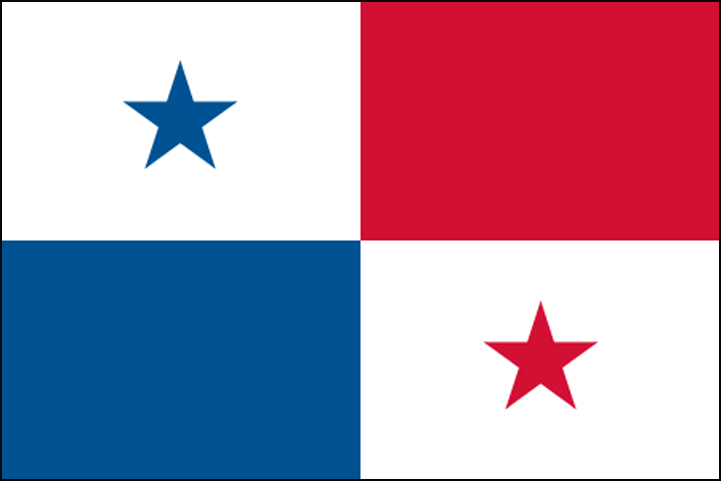
This is the flag of the southernmost country in North America, but what is its name?
Nicaragua
Costa Rica
El Salvador
Panama
Panama's position on the thin strip of land between the two continents of North and South America made it perfect for the construction of the Panama Canal. This canal allows shipping to pass through Panama rather than having to travel many thousands of miles around Cape Horn to the south. Revenue from canal tolls forms a significant proportion of the Panamanian economy
8 .
To which country, whose capital city is Tegucigalpa, does this flag belong?
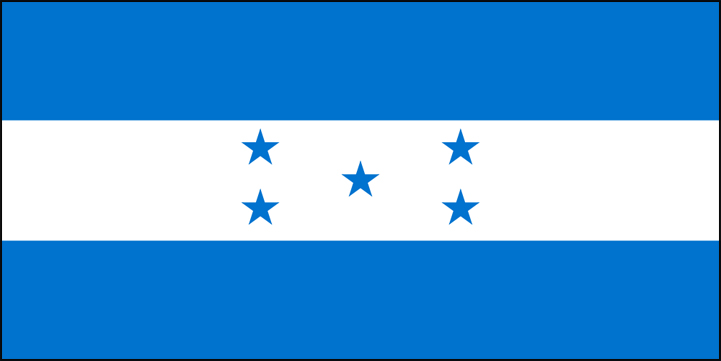
Paraguay
Honduras
Uruguay
El Salvador
The origins of the name 'Honduras' are uncertain. The word means 'depths' in Spanish and it is rumoured that Christopher Columbus said, "thank God we have come out of those depths" when he reached the Honduran coast. This story was not known before the 17th century though, so perhaps a more likely explanation is a corruption of the name fondura, which means 'anchorage', and was used on maps during the 16th century
9 .
This is the unofficial flag of which French overseas collectivity?
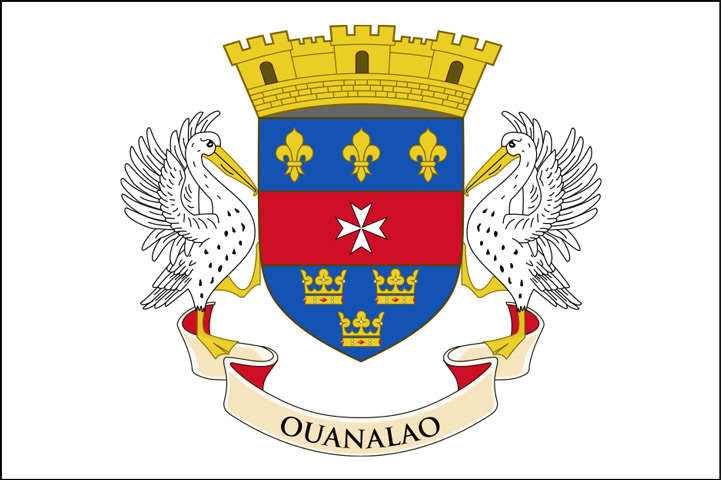
Cayman Islands
Saint Barthélemy
Dominica
St Pierre & Miquelon
The official flag of Saint Barthélemy is the French Tricolour, but the coat of arms on a white background is used unofficially. The coat of arms shows 3 fleurs-de-lis, a maltese cross and 3 gold crowns. These represent the island's rule by the French, the knights of Malta and the Swedes at various times in its history
10 .
Which country is represented by this flag? It consists of several islands and its capital city is Saint John's.
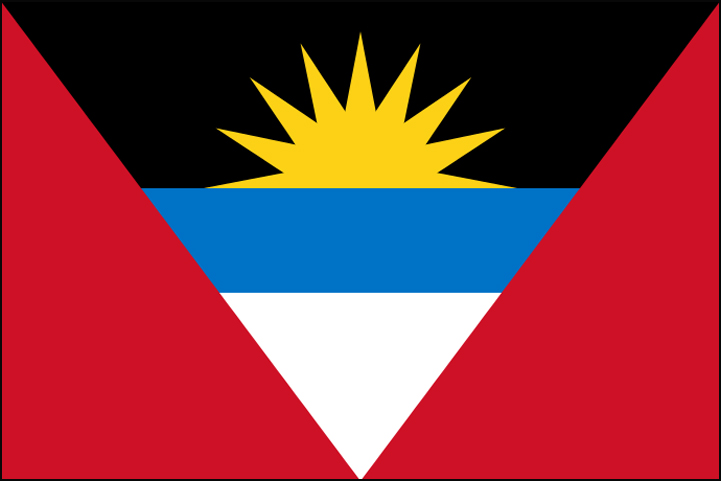
St Vincent & the Grenadines
British Virgin Islands
Antigua and Barbuda
US Virgin Islands
The name 'Antigua' is Spanish for ancient and it is believed that the island is named after an ancient relic in Seville Cathedral. The name 'Barbuda' meanwhile, means 'bearded' in Spanish, although why the island should be given the name is uncertain. It may have been due to its bearded natives or perhaps the appearance of some of the local flora



**Unlimited Quizzes Await You! 🚀**
Hey there, quiz champ! 🌟 You've already tackled today's free questions.
Ready for more?
Ready for more?
🔓 Unlock UNLIMITED Quizzes and challenge yourself every day. But that's
not all...
not all...
🔥 As a Subscriber you can join our thrilling "Daily Streak" against other
quizzers. Try to win a coveted spot on our Hall of Fame Page.
quizzers. Try to win a coveted spot on our Hall of Fame Page.
Don't miss out! Join us now and keep the fun rolling. 🎉
**Unlimited Quizzes Await You! 🚀**
Hey there, quiz champ! 🌟 You've already tackled today's free questions. Ready for more?
🔓 Unlock UNLIMITED Quizzes and challenge yourself every day. But that's not all...
🔥 As a Subscriber you can join our thrilling "Daily Streak" against other quizzers. Try to win a coveted spot on our Hall of Fame Page.
Don't miss out! Join us now and keep the fun rolling. 🎉




© Copyright 2016-2026 - Education Quizzes
Work Innovate Ltd - Design | Development |
Marketing

In 1832 the islands were taken from Spain and became a province of Ecuador