




Ask the AI Tutor
Need help with Fruit - Fruits 1? Ask our AI Tutor!
AI Tutor - Lucy
Connecting with Tutor...
Please wait while we establish connection
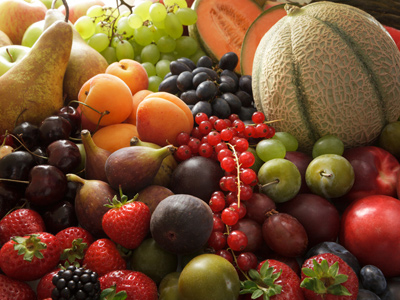
Which is your favourite fruit?
Fruit - Fruits 1
Fancy growing your own fruit? This quiz explores fruit plants, from blossoms to harvest, and the simple choices that help you get healthier growth and better crops.
To see a larger image, click on the picture.
1 .
What is the name of a dried plum?
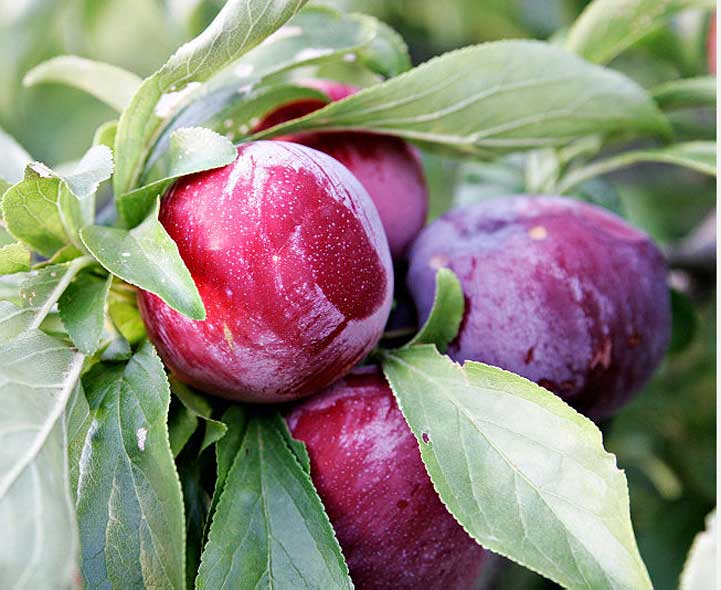
Photograph courtesy of Fir0002/Flagstaffotos
Currant
Prune
Raisin
Sultana
- Latin Genus: Prunus
- Mature fruits often look as if they are covered in powder - this is known as 'wax bloom'.
- Popular varieties are Czar, Dennistons Superb, Early Laxton, Marjorie's Seedling and Victoria.
- Varieties differ widely in their sweetness, ranging from barely edible to heavenly! The skin can be particularly sour.
- Well known as a laxative.
2 .
What other name is sometimes given to raspberries?
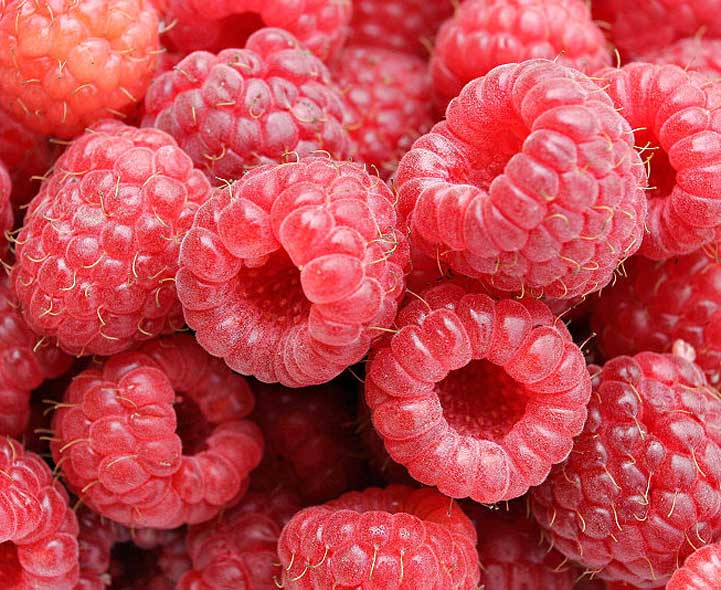
Photograph courtesy of User:Fir0002
Hinderberry
Worcesterberry
Chicherberry
Gloucesterberry
- Plant Genus: Rubus
- This image was selected as 'Picture of the day' in English Wikipedia on June 20, 2006.
- Raspberries require fertile, well drained soil.
- For best results they must be irrigated whenever there is a dry spell prior to and during the fruiting season.
- Normally planted in rows and trained by the use of posts with wire stretched between.
3 .
To which genus do apples belong?
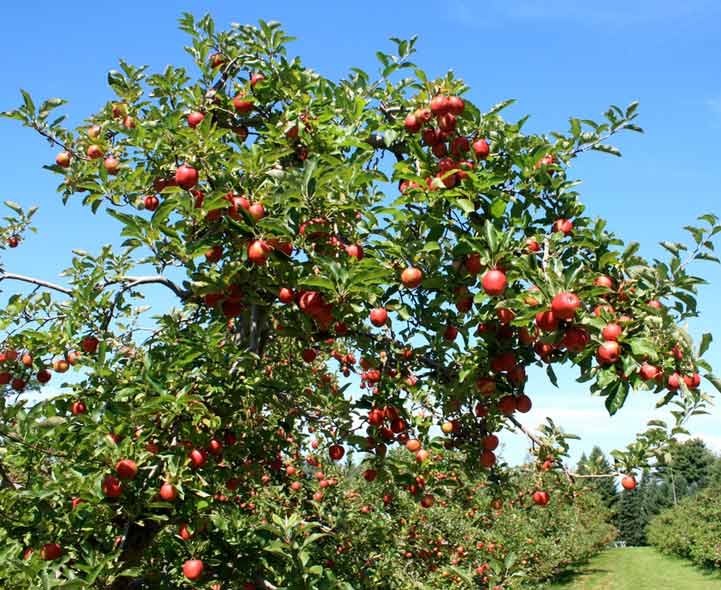
Photograph courtesy of www.flickr.com/photos/amiefedora/
Malus
Prunus
Crataegus
Sorbus
- One of the most widely grown fruits.
- China produces the most - about 35% of the total world production.
- Blossom is usually pink and white.
- Many varieites do well in English gardens.
- There are over 3,000 different varieties known in Britain.
- The most popular cooking variety is Bramley seedling.
4 .
This blossom is from which type of fruit tree?
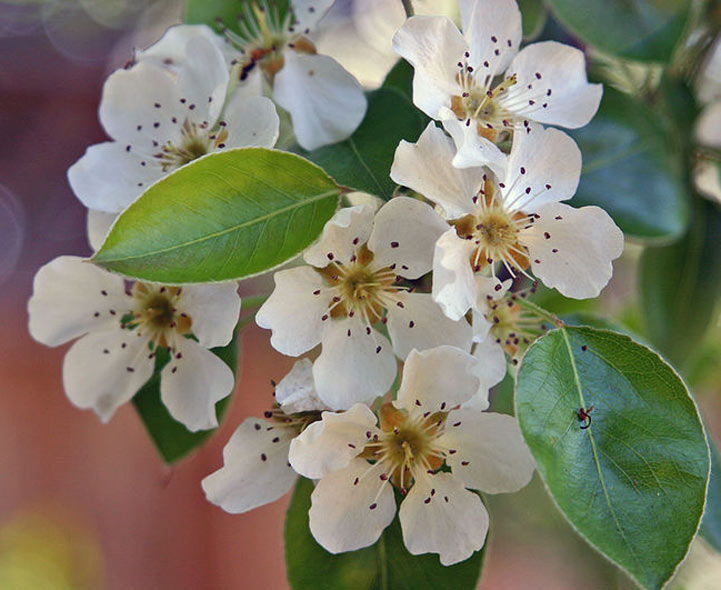
Photograph courtesy of Elf - Blossom
Apple
Peach
Pear
Plum
- The plant genus is Pyrus.
- Some species are hard and inedible whilst others are extremely sweet.
- Used by humans as a food since prehistoric times.
- The Romans did not eat them raw, preferring instead to stew them.
- The Sheriffs of London are reported to have given these fruits as a gift to Henry III.
- The most widely grown variety in British gardens is Conference.
5 .
Which of the names below is a variety of apricot?
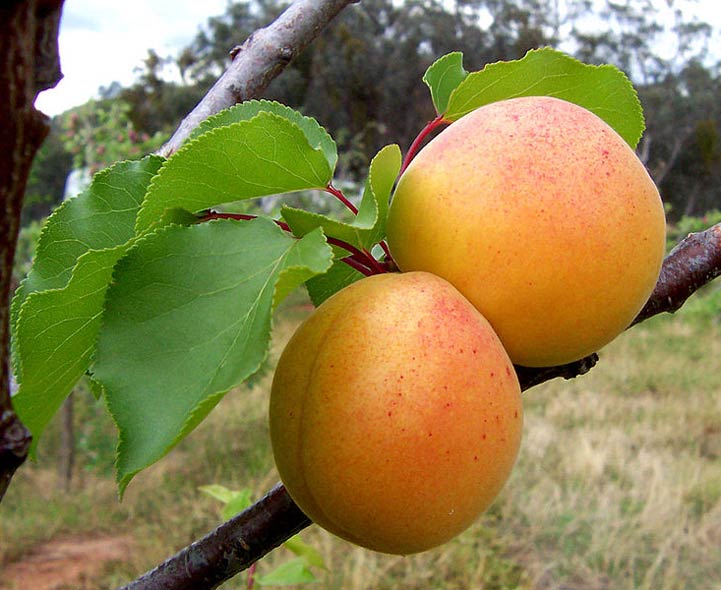
Photograph courtesy of User:Fir0002
Tomcot
Timcot
Tumcot
Tamcot
- A member of the large genus of sweet-fruited plants called Prunus.
- Usually the trees are small but they can grow up to 12 metres.
- New varieties and warmer summers mean that apricots can now be grown further north.
- They need the warmest part of the garden (ideally against a south facing wall) in order to do really well.
6 .
What type of melon is this?
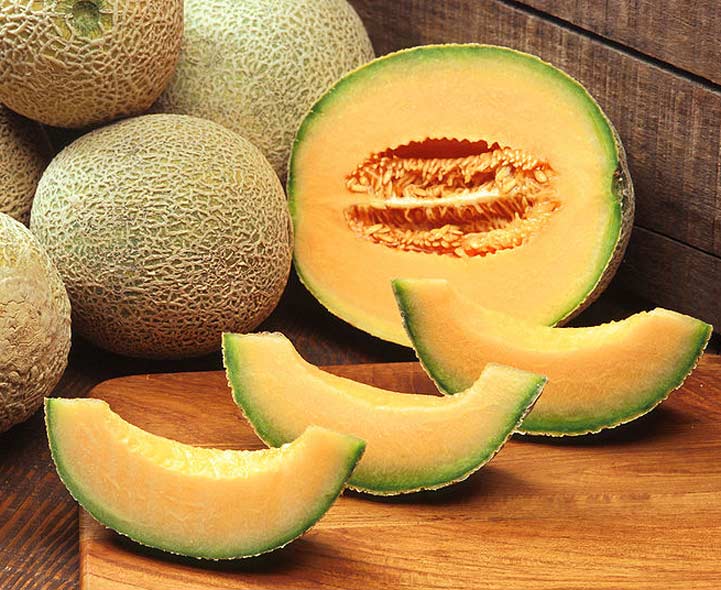
Photograph courtesy of United States Department of Agriculture
Watermelon
Honeydew
Casaba
Cantaloupe
- Latin Name: Cucumis Melo.
- Rated by many as the sweetest of all melons.
- To enjoy it at its best it needs to stay on the vine until it is fully ripe.
- An ideal plant if you are lucky enough to have a large greenhouse.
- Perfectly ripe melons have a distinctive fragrance and you can hear the seeds rattle if the fruit is shaken.
7 .
What is the name of this fruit?
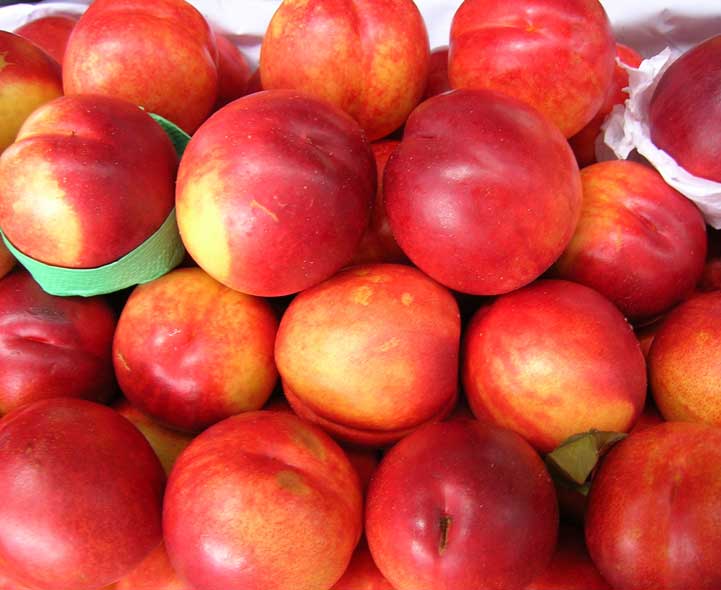
Photograph courtesy of www.flickr.com/photos/viclic/
Apricot
Peach
Plum
Nectarine
- Latin Name: Prunus persica var. nucipersica
- Cultivars of peaches and genetically almost identical.
- Unlike peaches they have smooth skin and are sometimes referred to as shaved peaches!
- Flesh can be either pink or white.
- More often than not they are a little sweeter than peaches.
- In the UK they need to be grown against a south facing wall to do well.
8 .
What is the name of this fruit?
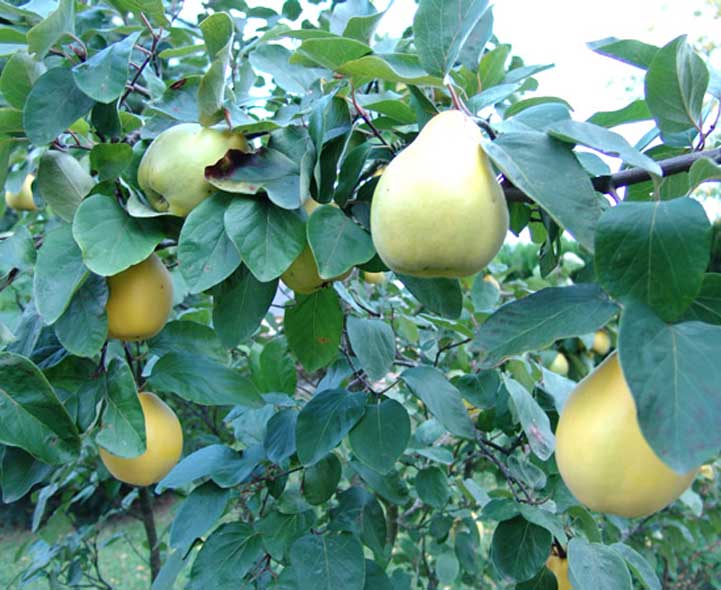
Photograph courtesy of http://www.spone.net/
Pear
Avocado
Quince
Apricot
- Latin Name: Cydonia oblonga.
- Flowers are whitish-pink.
- Immature fruit is green and covered with tiny white hairs.
- Mature fruit is yellow.
- Turkey produces 25% of the world's total production.
- Resists winter frosts but needs a good deal of summer warmth to mature properly.
- One of these trees is often planted in Slavonia and Croatia to mark the arrival of a baby.
You could be forgiven for thinking that it was a pear. They look similar but taste very different!
9 .
This plant is often found growing in the wild - what is its common name?
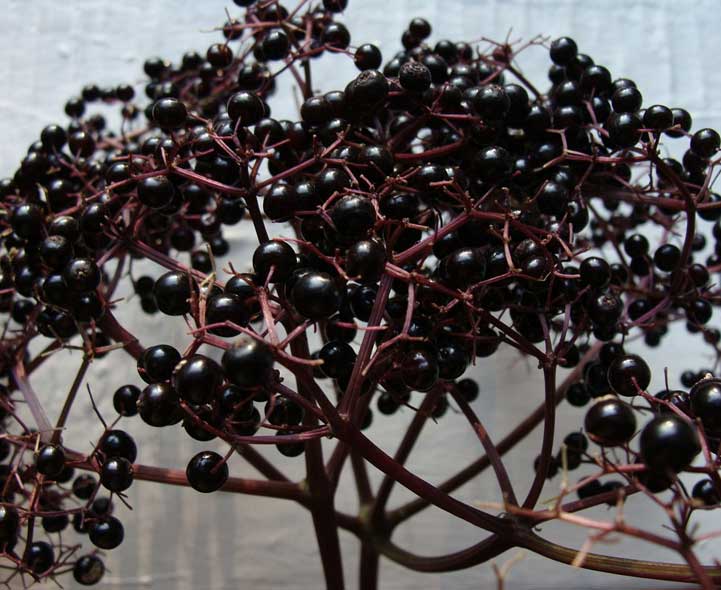
Photograph courtesy of Oceandesetoiles
Alder
Selder
Elder
Kelder
- Latin Genus: Sambucus
- Large clusters of off-white flowers appear in the Spring and if these are not gathered to make cordial they develop into small, black berries.
- The berries can be made into a syrup.
- The Fanta company make and sell a drink called 'Shokata' from the berries.
- An important food plant for several species of butterflies and birds.
10 .
What is the name of this fruit?
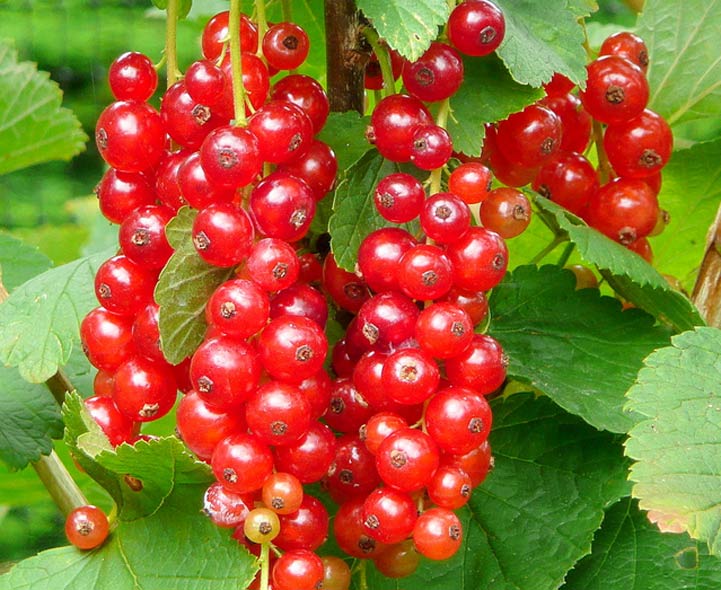
Photograph courtesy of www.geograph.org.uk/profile/8569
Blackberry
Redthorn
Raspberry
Redcurrant
- Latin Name: Ribes rubrum.
- A member of the gooseberry family.
- Insignificant flowers are followed by brilliant red fruits.
- The flavour is a little 'sharp' and therefore they need to be sprinkled with sugar if eaten raw.
- There is an albino version that tastes just the same.
- A 'jelly' made from the fruit (in the same way that jam is made) is often served with roast lamb.



**Unlimited Quizzes Await You! 🚀**
Hey there, quiz champ! 🌟 You've already tackled today's free questions.
Ready for more?
Ready for more?
🔓 Unlock UNLIMITED Quizzes and challenge yourself every day. But that's
not all...
not all...
🔥 As a Subscriber you can join our thrilling "Daily Streak" against other
quizzers. Try to win a coveted spot on our Hall of Fame Page.
quizzers. Try to win a coveted spot on our Hall of Fame Page.
Don't miss out! Join us now and keep the fun rolling. 🎉
**Unlimited Quizzes Await You! 🚀**
Hey there, quiz champ! 🌟 You've already tackled today's free questions. Ready for more?
🔓 Unlock UNLIMITED Quizzes and challenge yourself every day. But that's not all...
🔥 As a Subscriber you can join our thrilling "Daily Streak" against other quizzers. Try to win a coveted spot on our Hall of Fame Page.
Don't miss out! Join us now and keep the fun rolling. 🎉




© Copyright 2016-2026 - Education Quizzes
Work Innovate Ltd - Design | Development |
Marketing
