




Ask the AI Tutor
Need help with Greetings and Exclamations 01? Ask our AI Tutor!
AI Tutor - Lucy
Connecting with Tutor...
Please wait while we establish connection
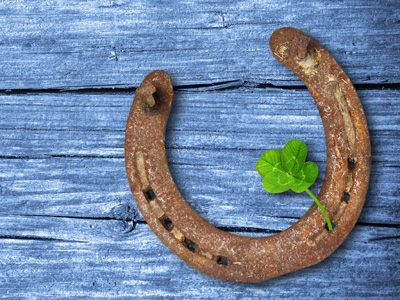
Bonne chance - good luck.
Greetings and Exclamations 01
Greetings and exclamations help you sound natural in French. Learn what to say in different situations, and how to choose polite or informal language for GCSE speaking and writing.
In each question you will be given a word or words in English. All you have to do is choose the French equivalent from the four choices offered.
1 .
Welcome
Bonne idée
Ça suffit
Au secours
Bienvenue
2 .
Hi
Salut
Il faut
Pardon
Donnez details
Il faut = it’s necessary
Pardon = excuse me
Donnez details = give details
Pardon = excuse me
Donnez details = give details
3 .
Hello (on the phone)
Felicitations
Combien
Allô
Bien sûr
Felicitations = congratulations
Combien = how much
Bien sûr = of course
Combien = how much
Bien sûr = of course
4 .
Happy birthday
Bon anniversaire
Bon appétit
Bonnes vacances
Bonne année
Bon appétit = enjoy your meal
Bonnes vacances = have a good holiday
Bonne année = happy new year
Bonnes vacances = have a good holiday
Bonne année = happy new year
5 .
Sorry
Excusez-moi
Ça m’est égal
Ça m’énerve
Désolé
Excusez-moi = excuse me
Ça m’est égal = it’s all the same to me
Ça m’énerve = it gets on my nerves
Ça m’est égal = it’s all the same to me
Ça m’énerve = it gets on my nerves
6 .
Good luck
Valoir mieux
Bonne chance
Ça depend
Quel dommage
Valoir mieux = preferable
Ça depend = that depends
Quel dommage = what a pity
Ça depend = that depends
Quel dommage = what a pity
7 .
Good evening
Bonne nuit
À tout à l’heure
Bonsoir
D’accord
Bonne nuit = good night
À tout à l’heure = see you later
D’accord = okay
À tout à l’heure = see you later
D’accord = okay
8 .
See you soon
À bientôt
Bon voyage
À mon avis
Santé
Bon voyage = have a good trip
À mon avis = in my opinion
Santé = cheers
À mon avis = in my opinion
Santé = cheers
9 .
See you tomorrow
À quelle heure
À demain
Amities
Sans doute
À quelle heure = at what time
Amitiés = best wishes
Sans doute = undoubtedly
Amitiés = best wishes
Sans doute = undoubtedly
10 .
Best wishes
À part
D’un côté
Meilleurs voeux
De rien
À part = apart from
D’un côté = on the one hand
De rien = don’t mention it
D’un côté = on the one hand
De rien = don’t mention it



**Unlimited Quizzes Await You! 🚀**
Hey there, quiz champ! 🌟 You've already tackled today's free questions.
Ready for more?
Ready for more?
🔓 Unlock UNLIMITED Quizzes and challenge yourself every day. But that's
not all...
not all...
🔥 As a Subscriber you can join our thrilling "Daily Streak" against other
quizzers. Try to win a coveted spot on our Hall of Fame Page.
quizzers. Try to win a coveted spot on our Hall of Fame Page.
Don't miss out! Join us now and keep the fun rolling. 🎉
**Unlimited Quizzes Await You! 🚀**
Hey there, quiz champ! 🌟 You've already tackled today's free questions. Ready for more?
🔓 Unlock UNLIMITED Quizzes and challenge yourself every day. But that's not all...
🔥 As a Subscriber you can join our thrilling "Daily Streak" against other quizzers. Try to win a coveted spot on our Hall of Fame Page.
Don't miss out! Join us now and keep the fun rolling. 🎉




© Copyright 2016-2026 - Education Quizzes
Work Innovate Ltd - Design | Development |
Marketing

Ça suffit = that’s enough
Au secours = help