




Ask the AI Tutor
Need help with Nouns - Customs and Festivals 01? Ask our AI Tutor!
AI Tutor - Lucy
Connecting with Tutor...
Please wait while we establish connection
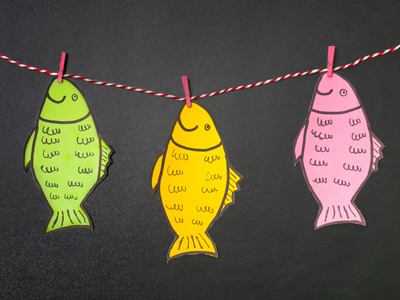
Poisson d’avril - April Fool.
Nouns - Customs and Festivals 01
GCSE Fast French customs and festivals nouns help you talk about celebrations and traditions. Learn key event vocabulary, describe what happens, and recognise these words in listening and reading tasks.
In each question you will be given a word or words in French. All you have to do is choose the English equivalent from the four choices offered.
1 .
Le jour de l'An
New Year’s Day
New Year’s Eve
Christmas Day
Boxing Day
2 .
Poisson d’avril
Fish supper
Easter Sunday
Fisherman’s Day
April Fool
Poisson d’avril is both April Fools Day and an April Fool
3 .
Jour férié
Advent
Bank holiday / public holiday
Pancake Day
Good Friday
Of course, Pancake Day (or Shrove Tuesday) is mardi gras
4 .
La veille de Noël
Christmas Eve
Christmas Day
Boxing Day
Twelfth Night
Boxing Day = le lendemain de Noël
5 .
La Saint Valentin
Valentine’s Day
All Saints Day
All Saints Eve
Michaelmas
Even though Valentine was a man, we use la, not le
6 .
Fête
Jelly
Buffet
Party
Gift
Fête = party, festival, holiday, feast or celebration
7 .
Fête du travail
Good Friday
May Day
Halloween
Bonfire Night
Fête du travail is literally “festival of work”
8 .
Fête des mères
Mother’s Day
Father's Day
New Year’s Day
New Year’s Eve
Father’s Day = fête des pères
9 .
La Saint-Sylvestre
Boxing Day
Michaelmas
Christmas Eve
New Year’s Eve
As well as la Saint-Sylvestre you could also say réveillon de Nouvel an
10 .
Pâques
Lent
Ramadan
Easter
Diwali
Lent = Carême
Ramadan = Ramadan
Diwali = Diwali
Ramadan = Ramadan
Diwali = Diwali



**Unlimited Quizzes Await You! 🚀**
Hey there, quiz champ! 🌟 You've already tackled today's free questions.
Ready for more?
Ready for more?
🔓 Unlock UNLIMITED Quizzes and challenge yourself every day. But that's
not all...
not all...
🔥 As a Subscriber you can join our thrilling "Daily Streak" against other
quizzers. Try to win a coveted spot on our Hall of Fame Page.
quizzers. Try to win a coveted spot on our Hall of Fame Page.
Don't miss out! Join us now and keep the fun rolling. 🎉
**Unlimited Quizzes Await You! 🚀**
Hey there, quiz champ! 🌟 You've already tackled today's free questions. Ready for more?
🔓 Unlock UNLIMITED Quizzes and challenge yourself every day. But that's not all...
🔥 As a Subscriber you can join our thrilling "Daily Streak" against other quizzers. Try to win a coveted spot on our Hall of Fame Page.
Don't miss out! Join us now and keep the fun rolling. 🎉




© Copyright 2016-2026 - Education Quizzes
Work Innovate Ltd - Design | Development |
Marketing

Le jour de l'an est le premier jour de l'année