




Ask the AI Tutor
Need help with Nouns - Leisure? Ask our AI Tutor!
AI Tutor - Lucy
Connecting with Tutor...
Please wait while we establish connection
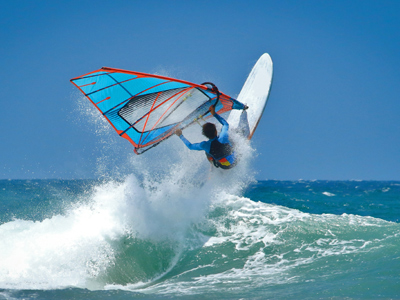
La planche à voile – windsurfing.
Nouns - Leisure
GCSE Fast French leisure nouns help you talk about hobbies, sports, and free time plans. Use these words to build better speaking answers and more detailed writing.
In each question you will be given a word or words in English. All you have to do is choose the French equivalent from the four choices offered.
1 .
Hobby
La natation
Le dessin animé
Le passe-temps
L’alimentation
2 .
Charity
Le travail bénévole
Le casse-croûte
L’association caritative
Le centre sportif
Le travail bénévole = voluntary work
Le casse-croûte = snack
Le centre sportif = sports centre
Le casse-croûte = snack
Le centre sportif = sports centre
3 .
Horse riding
L’équitation
L’escalade
Le cheval
La course
L’escalade = rock climbing
Le cheval = horse
La course = race
Le cheval = horse
La course = race
4 .
Film star
La voile
Le jeu télévisé
Le volley
La vedette
La voile = sailing
Le jeu télévisé = game show
Le volley = volleyball
Le jeu télévisé = game show
Le volley = volleyball
5 .
Ticket
Le basket
Le billet
Les échecs
La forme
Le basket = basketball
Les échecs = chess
La forme = fitness
Les échecs = chess
La forme = fitness
6 .
Winter sports
Le patinage à glace
Les sports d’hiver
La planche à voile
Le ski nautique
Le patinage à glace = ice skating
La planche à voile = windsurfing
Le ski nautique = water skiing
La planche à voile = windsurfing
Le ski nautique = water skiing
7 .
Performance
La promenade
La télé réalité
Le temps libre
La séance
La promenade = walk
La télé réalité = reality television
Le temps libre = free time
La télé réalité = reality television
Le temps libre = free time
8 .
Song
La chanson
Le chanteur
La chanteuse
La chorale
Le chanteur = singer (male)
La chanteuse = singer (female)
La chorale = choir
La chanteuse = singer (female)
La chorale = choir
9 .
Happiness
Le bonbon
Fana de
Le bonheur
Le feuilleton
Le bonbon = sweet
Fana de = fan of
Le feuilleton = soap opera
Fana de = fan of
Le feuilleton = soap opera
10 .
Weight training
La musculation
L’habitude
Le sommeil
Le skate
L’habitude = habit
Le sommeil = sleep
Le skate = skateboarding
Le sommeil = sleep
Le skate = skateboarding



**Unlimited Quizzes Await You! 🚀**
Hey there, quiz champ! 🌟 You've already tackled today's free questions.
Ready for more?
Ready for more?
🔓 Unlock UNLIMITED Quizzes and challenge yourself every day. But that's
not all...
not all...
🔥 As a Subscriber you can join our thrilling "Daily Streak" against other
quizzers. Try to win a coveted spot on our Hall of Fame Page.
quizzers. Try to win a coveted spot on our Hall of Fame Page.
Don't miss out! Join us now and keep the fun rolling. 🎉
**Unlimited Quizzes Await You! 🚀**
Hey there, quiz champ! 🌟 You've already tackled today's free questions. Ready for more?
🔓 Unlock UNLIMITED Quizzes and challenge yourself every day. But that's not all...
🔥 As a Subscriber you can join our thrilling "Daily Streak" against other quizzers. Try to win a coveted spot on our Hall of Fame Page.
Don't miss out! Join us now and keep the fun rolling. 🎉




© Copyright 2016-2026 - Education Quizzes
Work Innovate Ltd - Design | Development |
Marketing

Le dessin animé = cartoon
L’alimentation = food