




Ask the AI Tutor
Need help with Verbs Relating to Travel 02? Ask our AI Tutor!
AI Tutor - Lucy
Connecting with Tutor...
Please wait while we establish connection
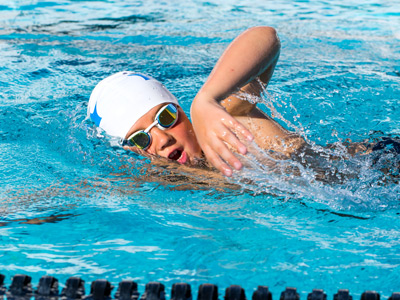
Nager - to swim.
Verbs Relating to Travel 02
Travel French is all about the right verb at the right time. Practise key patterns for transport, directions and holiday plans, so your GCSE answers sound accurate.
In each question you will be given a word or words in English. All you have to do is choose the French equivalent from the four choices offered.
1 .
To miss / to lack
Marcher
Manquer
Monter
Habituer à
2 .
To seem
Partir
Plaire
Paraître
Tourner
Partir = to leave
Plaire = to please
Tourner = to turn
Plaire = to please
Tourner = to turn
3 .
To drive
Casser
Chercher
Décoller
Conduire
Casser = to break
Chercher = to look for
Décoller = to take off
Chercher = to look for
Décoller = to take off
4 .
To slow down
Ralentir
Rester
Retourner
S’asseoir
Rester = to stay
Retourner = to return
S’asseoir = to sit down
Retourner = to return
S’asseoir = to sit down
5 .
To lie in / sleep in
Faire du camping
Faire la connaissance
Se coucher
Faire la grasse matinée
Faire du camping = to go camping
Faire la connaissance = to get to know
Se coucher = to go to bed
Faire la connaissance = to get to know
Se coucher = to go to bed
6 .
To leave
Lever
Laver
Laisser
Livrer
Lever = to lift
Laver = to wash
Livrer = to deliver
Laver = to wash
Livrer = to deliver
7 .
To introduce oneself
Se présenter
Se promener
Se débrouiller
Se mettre en route
Se promener = to go for a walk
Se débrouiller = to get by / to cope
Se mettre en route = to set off
Se débrouiller = to get by / to cope
Se mettre en route = to set off
8 .
To disturb
Déranger
Descendre
Dresser
Durer
Descendre = to come down
Dresser = to put up (tent)
Durer = to last
Dresser = to put up (tent)
Durer = to last
9 .
To wake up
Attendre
Nager
Se réveiller
Remarquer
Attendre = to wait (for)
Nager = to swim
Remarquer = to notice
Nager = to swim
Remarquer = to notice
10 .
To park
Baigner
Garer
Héberger
Donner sur
Baigner = to bathe / swim
Héberger = to lodge / accommodate
Donner sur = to overlook
Héberger = to lodge / accommodate
Donner sur = to overlook



**Unlimited Quizzes Await You! 🚀**
Hey there, quiz champ! 🌟 You've already tackled today's free questions.
Ready for more?
Ready for more?
🔓 Unlock UNLIMITED Quizzes and challenge yourself every day. But that's
not all...
not all...
🔥 As a Subscriber you can join our thrilling "Daily Streak" against other
quizzers. Try to win a coveted spot on our Hall of Fame Page.
quizzers. Try to win a coveted spot on our Hall of Fame Page.
Don't miss out! Join us now and keep the fun rolling. 🎉
**Unlimited Quizzes Await You! 🚀**
Hey there, quiz champ! 🌟 You've already tackled today's free questions. Ready for more?
🔓 Unlock UNLIMITED Quizzes and challenge yourself every day. But that's not all...
🔥 As a Subscriber you can join our thrilling "Daily Streak" against other quizzers. Try to win a coveted spot on our Hall of Fame Page.
Don't miss out! Join us now and keep the fun rolling. 🎉




© Copyright 2016-2026 - Education Quizzes
Work Innovate Ltd - Design | Development |
Marketing

Monter = to go up / ascend
Habituer à = to get used to