




Ask the AI Tutor
Need help with Healthy Food and Exercise? Ask our AI Tutor!
AI Tutor - Lucy
Connecting with Tutor...
Please wait while we establish connection
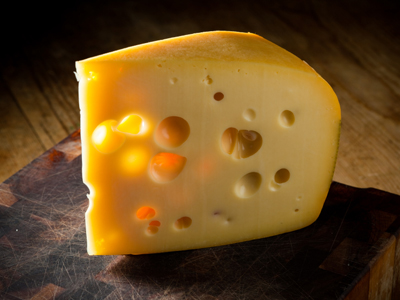
Cheese belongs to the food group milk and dairy.
Healthy Food and Exercise
Healthy food and exercise work together to keep you strong and energised. Explore what makes a balanced diet, why activity matters, and how small habits build wellbeing.
1 .
Which food groups give us energy?
Milk and dairy
Fruit and vegetables
Meat, fish and beans
Cereals and bread
Bread is a very versatile food
2 .
Which food group does rice belong to?
Fats
Fruit and vegetables
Cereals and bread
Milk and dairy
There are different flavours of rice
3 .
Which food group should we not eat much of?
Fats
Fruit and vegetables
Cereals and bread
Milk and dairy
Snack and junk foods are full of fat
4 .
Which food group gives us lots of calcium and other minerals?
Milk and dairy
Fruit and vegetables
Meat, fish and beans
Cereals and bread
Calcium is good for our bones
5 .
Which of these is NOT a benefit of regular exercise?
Keeps us slim
Makes our muscles strong
Prevents heart attack
Stops us getting spots
Make sure you get some exercise today!
6 .
How many main food groups are there?
2
4
5
10
These are dairy; cereal and bread; fats; meat, fish and beans; fruit and vegetables
7 .
What type of exercise strengthens our heart?
Resistance
Aerobic
Weight bearing
Relaxing
Swimming and walking are examples of aerobic exercises
8 .
What do we gain from eating fruit and vegetables?
Vitamins and fibre
Fibre and protein
Fibre
Vitamins and protein
Which is your favourite fruit?
9 .
Which food group does cheese belong to?
Meat, fish and beans
Milk and dairy
Fruit and vegetables
Cereals and bread
Cheese is made from milk
10 .
What do we gain from meat, fish and beans?
Protein
Calcium
Fibre
Vitamins
Protein is used to build and repair tissue



**Unlimited Quizzes Await You! 🚀**
Hey there, quiz champ! 🌟 You've already tackled today's free questions.
Ready for more?
Ready for more?
🔓 Unlock UNLIMITED Quizzes and challenge yourself every day. But that's
not all...
not all...
🔥 As a Subscriber you can join our thrilling "Daily Streak" against other
quizzers. Try to win a coveted spot on our Hall of Fame Page.
quizzers. Try to win a coveted spot on our Hall of Fame Page.
Don't miss out! Join us now and keep the fun rolling. 🎉
**Unlimited Quizzes Await You! 🚀**
Hey there, quiz champ! 🌟 You've already tackled today's free questions. Ready for more?
🔓 Unlock UNLIMITED Quizzes and challenge yourself every day. But that's not all...
🔥 As a Subscriber you can join our thrilling "Daily Streak" against other quizzers. Try to win a coveted spot on our Hall of Fame Page.
Don't miss out! Join us now and keep the fun rolling. 🎉




© Copyright 2016-2026 - Education Quizzes
Work Innovate Ltd - Design | Development |
Marketing
