




Ask the AI Tutor
Need help with Tourism 01? Ask our AI Tutor!
AI Tutor - Lucy
Connecting with Tutor...
Please wait while we establish connection
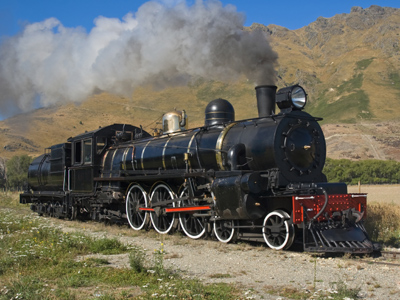
With the introduction of railways and the convenience of travel, UK holidays naturally increased.
Tourism 01
Tourism is about people travelling for leisure, work or study. Discover how visitor numbers, attractions and transport change places and create opportunities and challenges for local communities.
1 .
UK holidays increased after the introduction of what?
Canals
Deckchairs
Punch and Judy shows
Railways
Places like Blackpool suddenly got more visitors
2 .
A holiday to experience the customs of another country is described how?
Cultural
Political
Practical
Topical
Some package holidays are specially designed so that you can experience as much of the culture of a country as possible in a limited time
3 .
Tourism is what kind of industry?
Primary
Quaternary
Secondary
Tertiary
It provides services for the travellers
4 .
Which of these statements is true?
A job in tourism is a job for life
All money from tourism goes to local people
Local people may benefit from tourist facilities
Tourism does not affect the environment
This is not always the case. Sometimes, especially in LEDCs, local people cannot afford to use the facilities
5 .
If a job only lasts while tourists are there, it is called what?
Fractional
Partial
Seasonal
Unreasonable
Getting a seasonal job at a holiday destination is a popular way for students to travel and earn money at the same time
6 .
What type of holiday is fully arranged by a tour company?
Busman's holiday
Package holiday
Parcel holiday
Self-contained holiday
After several package holiday companies collapsed, leaving travellers stranded abroad, a lot of people lost confidence in package holidays
7 .
Which is not a reason for the rise in tourism since 1950?
Cheaper air travel
People have more leisure time
People have more money for holidays
There are more beaches
Before the 1950s, people who could afford to take a holiday usually stayed in their own country
8 .
A trip to a faraway place is usually called what?
Distant slog
Extended trek
Long haul
Mile muncher
Even on the fastest planes, it can take 24 hours to get to your destination
9 .
Which of these tourist destinations is not in Asia?
Kenya
Sri Lanka
Thailand
Tokyo
Kenya is in East Africa
10 .
Which is not a physical attraction of a holiday resort?
Clean sea
Climate
Four star hotels
Mountainous scenery
Physical attractions are natural, not built by humans



**Unlimited Quizzes Await You! 🚀**
Hey there, quiz champ! 🌟 You've already tackled today's free questions.
Ready for more?
Ready for more?
🔓 Unlock UNLIMITED Quizzes and challenge yourself every day. But that's
not all...
not all...
🔥 As a Subscriber you can join our thrilling "Daily Streak" against other
quizzers. Try to win a coveted spot on our Hall of Fame Page.
quizzers. Try to win a coveted spot on our Hall of Fame Page.
Don't miss out! Join us now and keep the fun rolling. 🎉
**Unlimited Quizzes Await You! 🚀**
Hey there, quiz champ! 🌟 You've already tackled today's free questions. Ready for more?
🔓 Unlock UNLIMITED Quizzes and challenge yourself every day. But that's not all...
🔥 As a Subscriber you can join our thrilling "Daily Streak" against other quizzers. Try to win a coveted spot on our Hall of Fame Page.
Don't miss out! Join us now and keep the fun rolling. 🎉




© Copyright 2016-2026 - Education Quizzes
Work Innovate Ltd - Design | Development |
Marketing
