




Ask the AI Tutor
Need help with Painter - William Hogarth? Ask our AI Tutor!
AI Tutor - Lucy
Connecting with Tutor...
Please wait while we establish connection
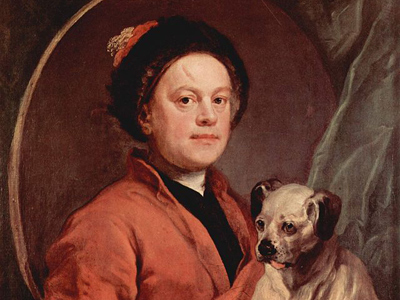
A self-portrait by Hogarth, showing him with his pet pug. This painting was finished in 1745 when he was 48 years old.
Painter - William Hogarth
William Hogarth used paintings and engravings to tell stories about everyday life. This quiz explores his witty satire, moral tales, and influence on British art.
For a closer look at the pictures, please click on them to enlarge.
1 .
The Tête à Tête is a painting of a Viscount and his wife who are not interested in one another, as they sit in a household which is falling apart. It is one of a series which is considered by some to be Hogarth's greatest work. What is the name of this series?
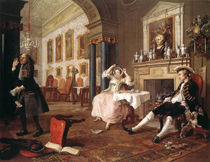
Marriage à-la-mode
Upper Class Lifestyle
A Lord's Progress
Drunken Disorder
Marriage à-la-mode is a series of six paintings which tell a warning tale about the dangers of marrying for money. The wife takes a lover who murders her husband. In the end she poisons herself through grief after her lover is hanged
2 .
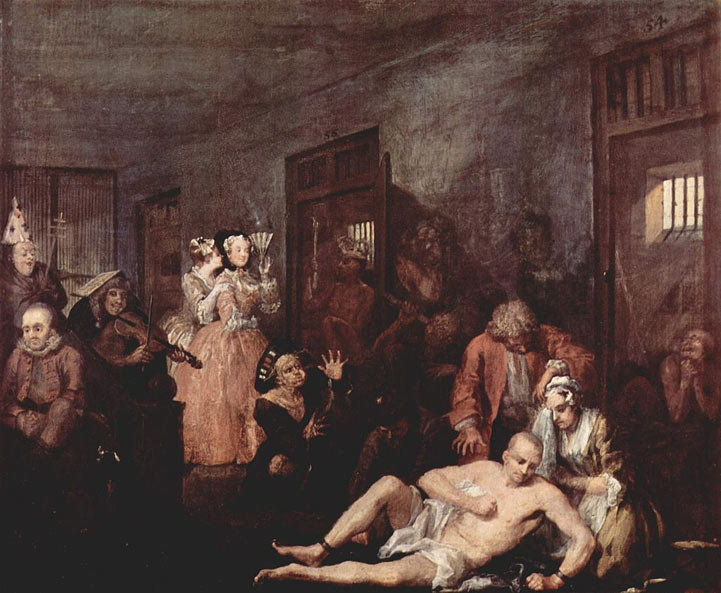
This painting of 1733 shows the inside of Bethlehem Hospital, more commonly known as Bedlam, the notorious mental asylum in London. It is the eighth and last work in which series?
A Pilgrim's Progress
A Rake's Progress
A Knight's Progress
A Scoundrel's Progress
The eight paintings show the decline of a man after he inherits a great deal of money. This he wastes and he ends up, first in a debtor's prison, and finally in Bedlam.
The well dressed women in the picture have come to be entertained by the odd behaviour of the inmates; a popular pastime in the 18th century
The well dressed women in the picture have come to be entertained by the odd behaviour of the inmates; a popular pastime in the 18th century
3 .
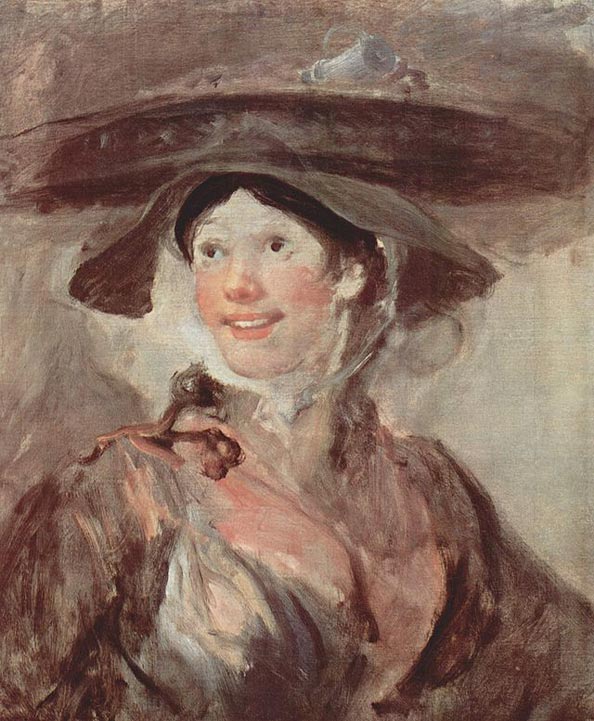
What is the name of this painting of a woman selling wares which she carries in a basket balanced on the top of her head?
The Nut Girl
The Match Girl
The Cup Girl
The Shrimp Girl
The basket is laden with shrimps and mussels, as well as a pewter mug which she uses for a measure.
Hogarth kept the painting and it was only sold after his widow's death. The name The Shrimp Girl was given by Christie's auction house in London when it was on sale there
Hogarth kept the painting and it was only sold after his widow's death. The name The Shrimp Girl was given by Christie's auction house in London when it was on sale there
4 .
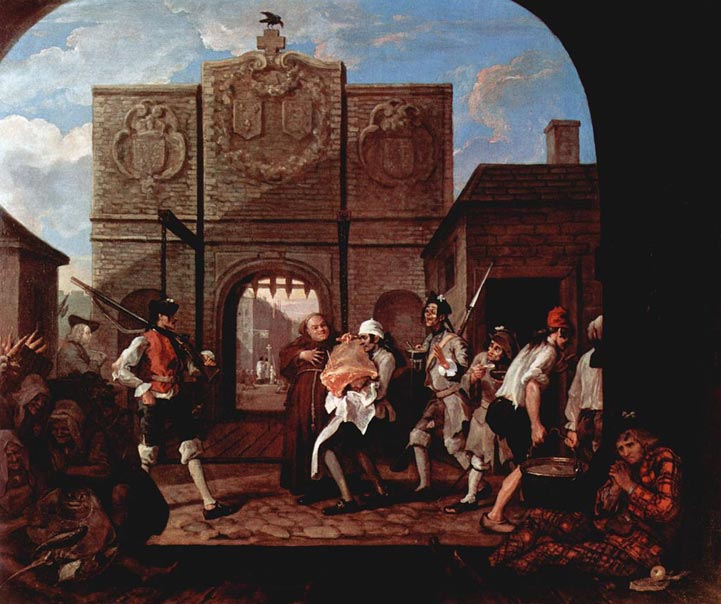
Painted in 1748 after Hogarth's return from France (where he had been arrested as a spy) this is the gate of which city?
Paris
Calais
Lille
Rouen
Hogarth had travelled to France with some fellow painters. Whilst in Calais waiting for a ship to take him home, Hogarth began drawing the gates. This aroused suspicion and he was arrested. Only after he had demonstrated his artistic abilities did the French accept that he was not a spy and release him
5 .
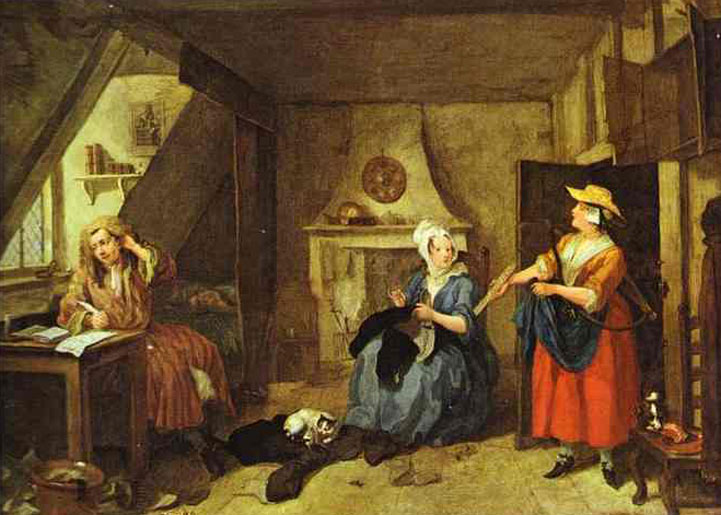
Painted circa 1736, The Distrest Poet shows a writer sitting in an attic and scratching his head as he looks for inspiration. Five years later Hogarth created an etching with what title to accompany this piece?
The Agitated Actor
The Sorrowful Sculptor
The Enraged Musician
The Pitiful Painter
The Enraged Musician is a comical scene of a violinist trying to practise whilst people outside his window are making a riot of noise. Directly beneath the violinist's window a small boy can be seen urinating!
6 .
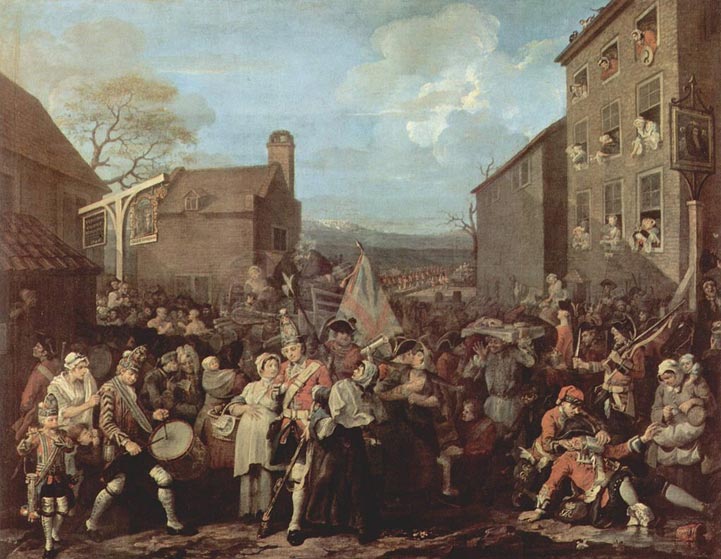
The March of the Guards to Finchley was intended as a gift for which king?
George II
William III
George III
William IV
The work is a satire and shows the army as ill disciplined and ill trained with one soldier clearly drunk. King George did not see the funny side and rejected Hogarth's gift. The painting was instead given to the King of Prussia who was much more appreciative
7 .
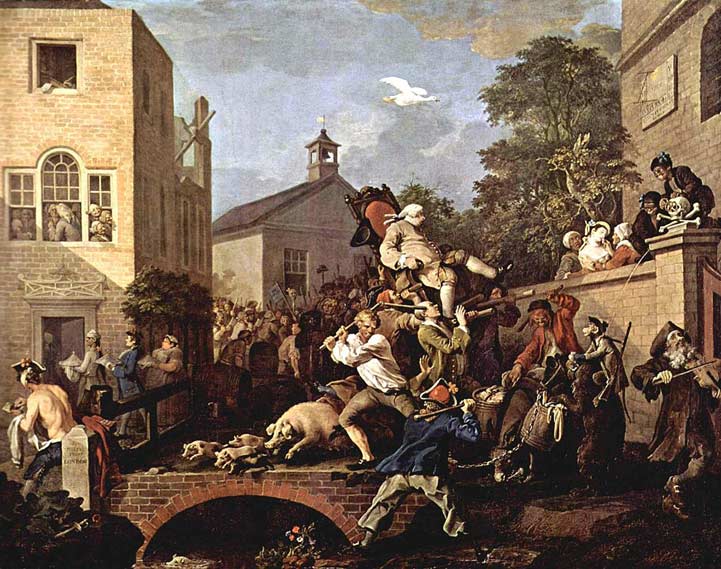
Chairing the Member shows a victorious election candidate as he is carried through the streets atop a chair. This is the final work in what series by Hogarth?
Humours of an Election
Absurdities of Politics
Satires of Government
Mockeries of Parliament
There are three more works in the series: An Election Entertainment, Canvassing for Votes and The Polling. Between them they illustrate the corruption which was rife in 18th century elections. At the time only those who owned land were elligable to vote, leaving the vast majority voiceless. There was also no secret ballot, so bribery and intimidation were commonplace
8 .
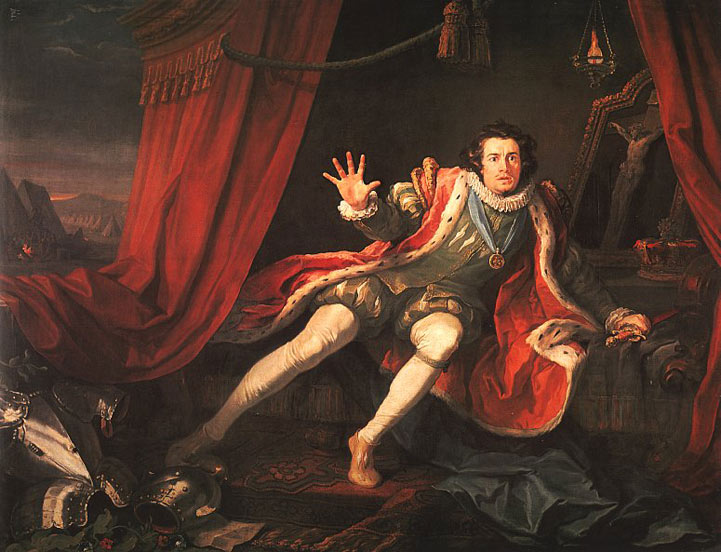
This 1745 painting shows Hogarth's friend, the actor David Garrick, as he plays the role of which Shakespearean character?
Henry V
Romeo
Richard III
Prospero
During his career Garrick was an actor, a playwright, a theatre manager and a producer. He died in 1779 and is buried in Poets' Corner in Westminster Abbey. At least eight theatres have been named after Garrick, as far apart as London, Perth in Australia, and Bonavista in Canada
9 .
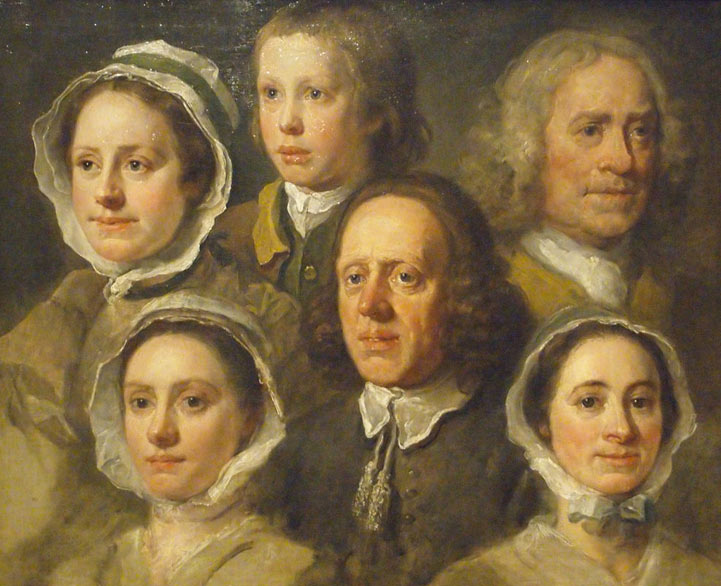
Who are the six people in this painting which demonstrates Hogarth's skill as a portrait artist?
They are his family
They are his students
They are his employers
They are his servants
Heads of Six of Hogarth's Servants was painted around 1750, either for his own amusement or to showcase his abilities to potential patrons. It is currently in the Tate Gallery which has been its home since 1960
10 .
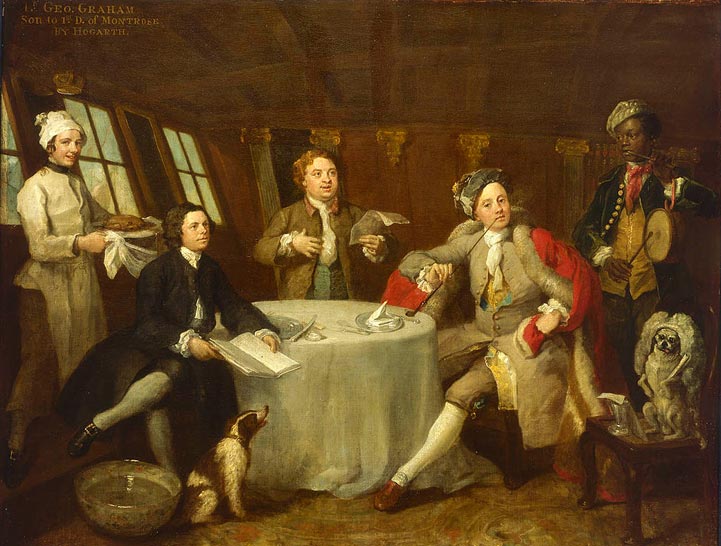
The 1745 painting Captain Lord George Graham in his Cabin was most likely commissioned by its subject to celebrate his recent victory over enemy ships from which country?
France
The USA
Spain
Holland
The painting is a comic scene. One of the two dogs is imitating the captain's pose and gravy is being poured onto the chaplain's back by the smiling steward!
Captain Graham was not able to enjoy the painting for long. He died from an unknown illness just one year later
Captain Graham was not able to enjoy the painting for long. He died from an unknown illness just one year later



**Unlimited Quizzes Await You! 🚀**
Hey there, quiz champ! 🌟 You've already tackled today's free questions.
Ready for more?
Ready for more?
🔓 Unlock UNLIMITED Quizzes and challenge yourself every day. But that's
not all...
not all...
🔥 As a Subscriber you can join our thrilling "Daily Streak" against other
quizzers. Try to win a coveted spot on our Hall of Fame Page.
quizzers. Try to win a coveted spot on our Hall of Fame Page.
Don't miss out! Join us now and keep the fun rolling. 🎉
**Unlimited Quizzes Await You! 🚀**
Hey there, quiz champ! 🌟 You've already tackled today's free questions. Ready for more?
🔓 Unlock UNLIMITED Quizzes and challenge yourself every day. But that's not all...
🔥 As a Subscriber you can join our thrilling "Daily Streak" against other quizzers. Try to win a coveted spot on our Hall of Fame Page.
Don't miss out! Join us now and keep the fun rolling. 🎉




© Copyright 2016-2026 - Education Quizzes
Work Innovate Ltd - Design | Development |
Marketing
