



 AI Tutor - Lucy
Periods - Romanticism
Formed in the latter half of 18th century Western Europe, Romanticism was an artistic, literary, and intellectual movement which competed against neoclassicism. It increased in popularity during the Industrial Revolution as It was partly a reaction against the scientific rationalisation of nature and the industrialisation of the landscape. It was also a challenge to the political and social situations of the time.
Romanticism incorporated strong emotions into its artworks - for example, in landscapes which gave the viewer a sense of awe or even fear when he looked into them. The theme of nature untamed was a common one in the Romantic movement. It also encouraged nationalism, valuing people's traditions, folklore and language.
Romanticism left behind the rational and Classical models, turning instead to more exotic styles and the use of imagination to create an escape from the ever growing cities and the increasing sprawl of industrialisation.
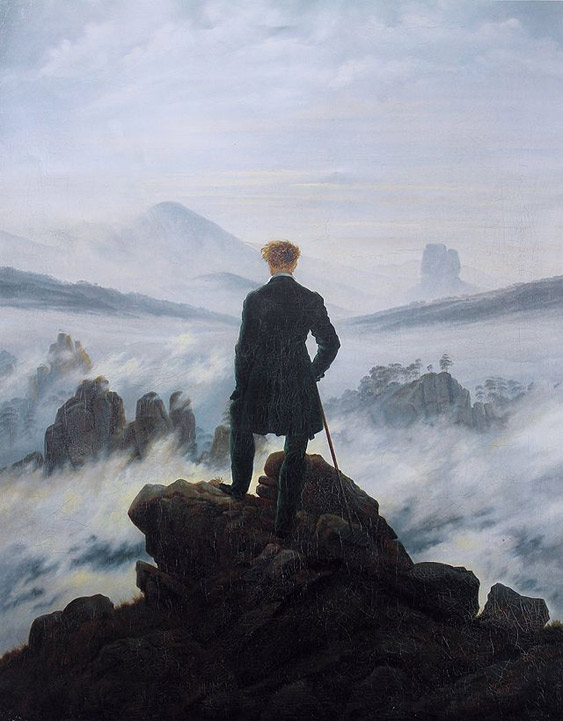
The meaning of the painting has long been debated with some seeing it as an image of self reflection, others as a metaphor for the uncertainty of the future, and yet others viewing it as symbolic of man's mastery over the landscape - but also his insignificance within it
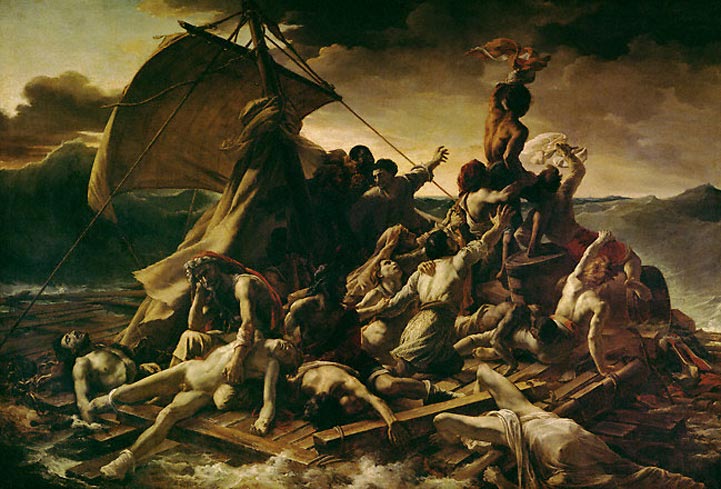
Gericault painted this piece to depict the aftermath of the sinking of the French frigate Méduse off the coast of Mauritania in 1816, though many of his works were of horses, a subject at which he was very skilled. Sadly he died in 1824 at the age of 32
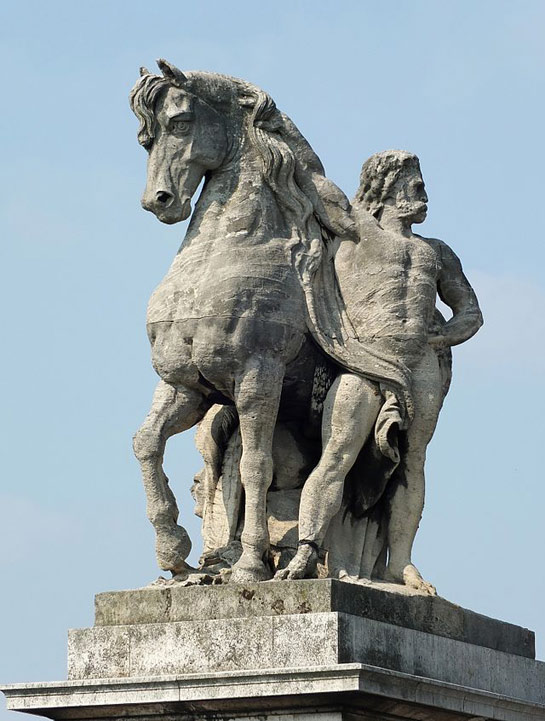
Préault took part in the second French Revolution of 1830, during which his studio was broken into and vandalised and many of his works were broken
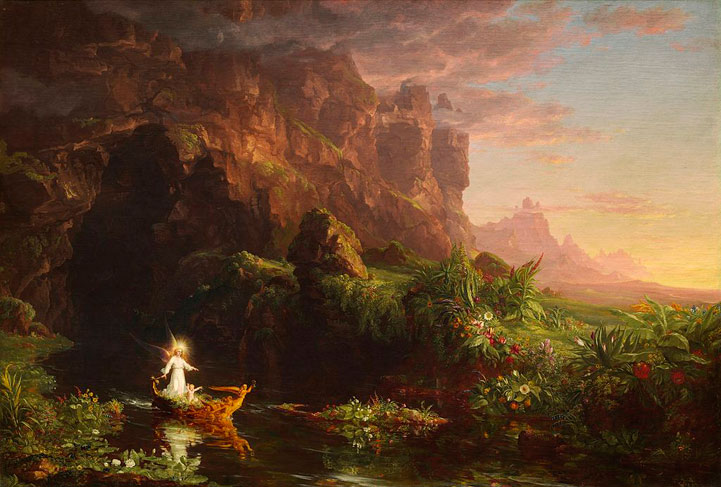
In the second picture, Youth, the figure has reached adolescence and is now guiding the boat himself, heading for choppy waters.
The third painting Manhood, shows the guiding angel watching from afar as the boat is caught in dreadful waters, and in the last of the series Old Age, the man has grown old, the waters have calmed and the river flows into the ocean of eternity
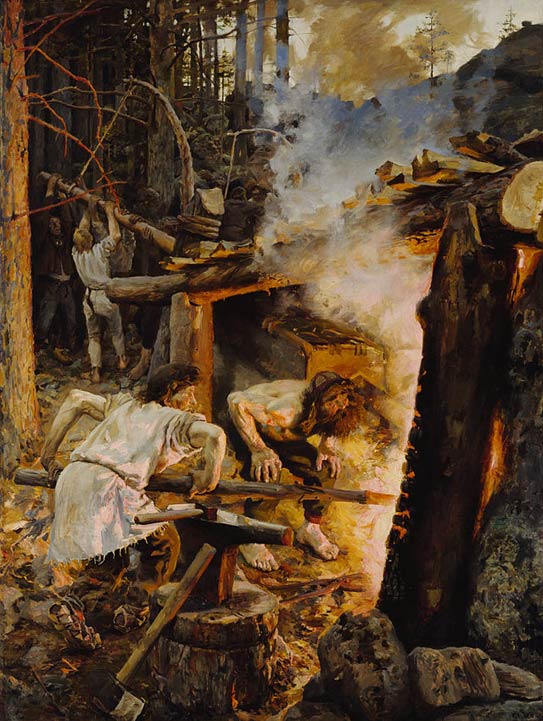
Gallen-Kallela's early works are of a romantic nature, but the death of his daughter in 1895 saw a change to a more aggressive style



Ready for more?
not all...
quizzers. Try to win a coveted spot on our Hall of Fame Page.





© Copyright 2016-2026 - Education Quizzes
Work Innovate Ltd - Design | Development |
Marketing

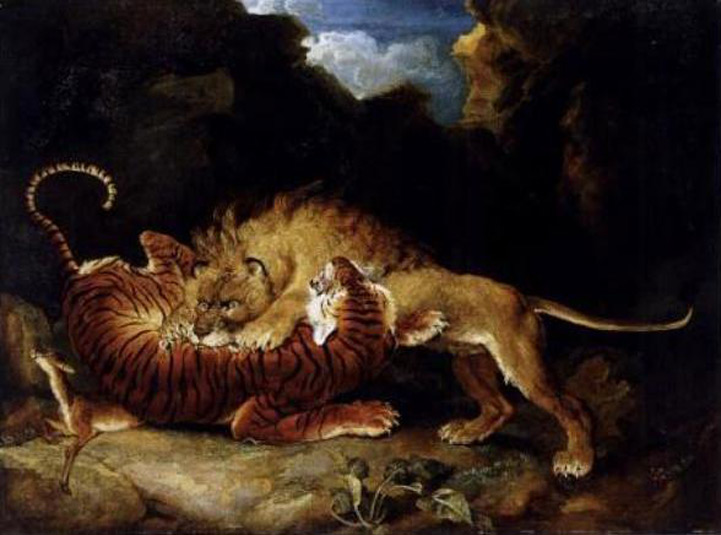
Artistic skill ran in Ward's family. His granddaughter Henrietta Ward was a successful painter and his great-grandson Leslie Ward was a caricaturist