




Ask the AI Tutor
Need help with Adverbs Relating to Time 01? Ask our AI Tutor!
AI Tutor - Lucy
Connecting with Tutor...
Please wait while we establish connection
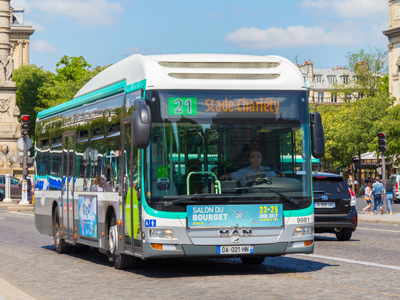
Le bus est à l'heure - the bus is on time.
Adverbs Relating to Time 01
Time adverbs help you say when something happens in French. This quiz builds confidence with common time words and correct placement in sentences.
In each question you will be given a word or words in English. All you have to do is choose the French equivalent from the four choices offered.
1 .
Usually
Maintenant
Vraiment
D’habitude
Rarement
2 .
Formerly / in the past
Auparavant
Récemment
Tôt
En général
Récemment = recently
Tôt = early
En général = in general
Tôt = early
En général = in general
3 .
Soon
Quand
En avance
Bientôt
En bas
Quand = when
En avance = in advance
En bas = downstairs
En avance = in advance
En bas = downstairs
4 .
In the future
À l'avenir
En haut
Pas encore
Lentement
En haut = upstairs
Pas encore = not yet
Lentement = slowly
Pas encore = not yet
Lentement = slowly
5 .
At first / firstly
Déjà
Ici
Franchement
D’abord
Déjà = already
Ici = here
Franchement = frankly
Ici = here
Franchement = frankly
6 .
After
En retard
Ensemble
Tout de suite
Après
En retard = late
Ensemble = together
Tout de suite = immediately
Ensemble = together
Tout de suite = immediately
7 .
Before
Environ
Avant
Parfois
Peut-être
Environ = approximately
Parfois = sometimes
Peut-être = perhaps
Parfois = sometimes
Peut-être = perhaps
8 .
At the same time
Plus tard
Tout à coup
À la fois
Partout
Plus tard = later
Tout à coup = suddenly
Partout = everywhere
Tout à coup = suddenly
Partout = everywhere
9 .
Early
Tout près
Longtemps
Là
De bonne heure
Tout près = very near
Longtemps = for a long time
Là = there
Longtemps = for a long time
Là = there
10 .
On time
Pendant
À l’heure
À peine
Suffisamment
Pendant = during
À peine = scarcely
Suffisamment = sufficiently
À peine = scarcely
Suffisamment = sufficiently



**Unlimited Quizzes Await You! 🚀**
Hey there, quiz champ! 🌟 You've already tackled today's free questions.
Ready for more?
Ready for more?
🔓 Unlock UNLIMITED Quizzes and challenge yourself every day. But that's
not all...
not all...
🔥 As a Subscriber you can join our thrilling "Daily Streak" against other
quizzers. Try to win a coveted spot on our Hall of Fame Page.
quizzers. Try to win a coveted spot on our Hall of Fame Page.
Don't miss out! Join us now and keep the fun rolling. 🎉
**Unlimited Quizzes Await You! 🚀**
Hey there, quiz champ! 🌟 You've already tackled today's free questions. Ready for more?
🔓 Unlock UNLIMITED Quizzes and challenge yourself every day. But that's not all...
🔥 As a Subscriber you can join our thrilling "Daily Streak" against other quizzers. Try to win a coveted spot on our Hall of Fame Page.
Don't miss out! Join us now and keep the fun rolling. 🎉




© Copyright 2016-2026 - Education Quizzes
Work Innovate Ltd - Design | Development |
Marketing

Vraiment = really
Rarement = rarely