




Ask the AI Tutor
Need help with Nouns - Travel 01? Ask our AI Tutor!
AI Tutor - Lucy
Connecting with Tutor...
Please wait while we establish connection
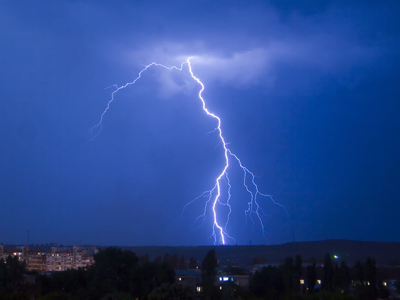
L’éclair - lightning.
Nouns - Travel 01
Learn GCSE French travel nouns for getting around, booking, and moving through airports and stations. Practise articles and spelling so you can handle directions, plans, and journeys confidently.
In each question you will be given a word or words in English. All you have to do is choose the French equivalent from the four choices offered.
1 .
Walk / hike
Le rendez-vous
La randonnée
Les renseignements
Le retour
2 .
Journey
La tour
Le tourisme
Le trajet
La traversée
La tour = tower / tour
Le tourisme = tourism
La traversée = crossing
Le tourisme = tourism
La traversée = crossing
3 .
Heat
La chaleur
Le ciel
Le climat
Le temps
Le ciel = sky
Le climat = climate
Le temps = weather
Le climat = climate
Le temps = weather
4 .
Sand
Le sac de couchage
La salle de séjour
Le séjour
Le sable
Le sac de couchage = sleeping bag
La salle de séjour = lounge
Le séjour = stay / visit
La salle de séjour = lounge
Le séjour = stay / visit
5 .
Welcome
L’arrivée
L’ascenseur
L’accueil
Le logement
L’arrivée = arrival
L’ascenseur = lift
Le logement = accommodation
L’ascenseur = lift
Le logement = accommodation
6 .
Air conditioning
La clé
Le concours
La crème solaire
La climatisation
La clé = key
Le concours = competition
La crème solaire = sun cream
Le concours = competition
La crème solaire = sun cream
7 .
Thunder
L’orage
Le tonnerre
La pluie
La tempête
L’orage = storm
La pluie = rain
La tempête = storm
La pluie = rain
La tempête = storm
8 .
Sunglasses
Les bagages
Les lits superposés
Les vacances
Les lunettes de soleil
Les bagages = luggage
Les lits superposés = bunk beds
Les vacances = holidays
Les lits superposés = bunk beds
Les vacances = holidays
9 .
Bright spell (weather)
L’éclair
L’éclaircie
Le brouillard
La brume
L’éclair = lightning
Le brouillard = fog
La brume = mist
Le brouillard = fog
La brume = mist
10 .
Suitcase
La valise
La voiture
Le vent
Le vol
La voiture = car
Le vent = wind
Le vol = flight
Le vent = wind
Le vol = flight
Our Social Circles




**Unlimited Quizzes Await You! 🚀**
Hey there, quiz champ! 🌟 You've already tackled today's free questions.
Ready for more?
Ready for more?
🔓 Unlock UNLIMITED Quizzes and challenge yourself every day. But that's
not all...
not all...
🔥 As a Subscriber you can join our thrilling "Daily Streak" against other
quizzers. Try to win a coveted spot on our Hall of Fame Page.
quizzers. Try to win a coveted spot on our Hall of Fame Page.
Don't miss out! Join us now and keep the fun rolling. 🎉
**Unlimited Quizzes Await You! 🚀**
Hey there, quiz champ! 🌟 You've already tackled today's free questions. Ready for more?
🔓 Unlock UNLIMITED Quizzes and challenge yourself every day. But that's not all...
🔥 As a Subscriber you can join our thrilling "Daily Streak" against other quizzers. Try to win a coveted spot on our Hall of Fame Page.
Don't miss out! Join us now and keep the fun rolling. 🎉
© Copyright 2016-2026 - Education Quizzes
Work Innovate Ltd - Design | Development |
Marketing

Les renseignements = information
Le retour = return