




Ask the AI Tutor
Need help with Natural Resources 01? Ask our AI Tutor!
AI Tutor - Lucy
Connecting with Tutor...
Please wait while we establish connection
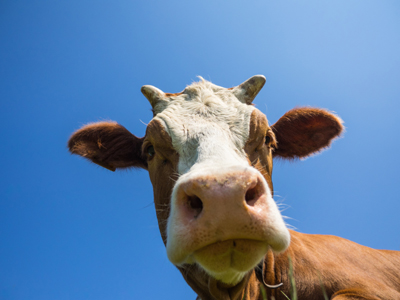
Cow dung is a type of biomass fuel.
Natural Resources 01
Natural resources give us energy, materials and food. In this quiz you will explore how we use them and why managing them carefully matters for the future.
1 .
Coal, oil and natural gas can be described how?
Expendable
Infinite
Non-renewable
Renewable
Once used they cannot be replaced
2 .
Which of these statements is true?
Most UK homes are powered by solar panels
HEP does not damage the environment
The world gets 5% of its electricity from non-fossil fuels
Wind turbines work well in coastal locations
About 40% of the world's electricity comes from non-fossil fuels. This figure is increasing all the time so by the time you are reading this, it will probably be even more!
3 .
Which of these is not a biomass fuel?
Cow dung
Firewood
Peat
Uranium
Biomass fuels work in the same way as fossil fuels. They have been formed in recent times, not millions of years in the past
4 .
Which problem is not caused by burning fossil fuels?
Acid rain
Global warming
Smog
The hole in the ozone layer
The release of CFC gases damages the ozone layer
5 .
The letters HEP refer to what type of power?
Heated Electrical
Highly Explosive
Hugely Expensive
Hydro Electric
The very first hydroelectric system was built in the county of Northumberland by the engineer William Armstrong at his home Cragside, near the town of Rothbury
6 .
Trees give out which gas?
Carbon Dioxide
Methane
Nitrogen
Oxygen
Actually, they do that only during the day. Oxygen is a waste product from photosynthesis. All plants, not just trees, produce oxygen in the daytime
7 .
What form of power uses heat from below ground?
Geothermal
Hydro Electric
Solar
Tidal
This is useful in countries like Iceland and Italy where there are active volcanoes
8 .
How are coal, oil and natural gas collectively known?
Clean fuels
Fossil fuels
Prehistoric fuels
Recycled fuels
Formed from fossil remains of plants and animals millions of years ago
9 .
Bauxite is a mineral that can be made into what?
Aluminium
Steel
Tin
Zinc
One of the uses of aluminium is to make drinks cans
10 .
Which of these is not a natural resource?
Fish
Plastic
Topsoil
Trees
Plastic doesn't occur in nature - it's man-made



**Unlimited Quizzes Await You! 🚀**
Hey there, quiz champ! 🌟 You've already tackled today's free questions.
Ready for more?
Ready for more?
🔓 Unlock UNLIMITED Quizzes and challenge yourself every day. But that's
not all...
not all...
🔥 As a Subscriber you can join our thrilling "Daily Streak" against other
quizzers. Try to win a coveted spot on our Hall of Fame Page.
quizzers. Try to win a coveted spot on our Hall of Fame Page.
Don't miss out! Join us now and keep the fun rolling. 🎉
**Unlimited Quizzes Await You! 🚀**
Hey there, quiz champ! 🌟 You've already tackled today's free questions. Ready for more?
🔓 Unlock UNLIMITED Quizzes and challenge yourself every day. But that's not all...
🔥 As a Subscriber you can join our thrilling "Daily Streak" against other quizzers. Try to win a coveted spot on our Hall of Fame Page.
Don't miss out! Join us now and keep the fun rolling. 🎉




© Copyright 2016-2026 - Education Quizzes
Work Innovate Ltd - Design | Development |
Marketing
